
You Probably Don’t Want a Family Milk Cow
I love my Jersey milk cows. I love the routine of milking every day, getting sunshine on my face first thing in the morning, having fresh milk in the refrigerator, and making homemade butter and cheese for my family. But if you're thinking about bringing home your first family milk cow, I'm going to tell you something you probably don't want to hear.
You might not actually want a milk cow.
Keeping a family milk cow is expensive, time-consuming, and comes with more responsibility than most people realize. There's the daily milking, endless cleaning, loads of milk to process, and the constant worry that something might go wrong.
I'm a fifth-generation farmer who grew up around beef cattle, so cows certainly weren't new to me. I learned to milk on my friend's Jersey cow, Pumpkin, and eventually became their backup milker whenever they traveled. In 2022, we brought home Pumpkin's seven-month-old calf, Spice, and started our own family dairy herd.
I've written before about why I think Jerseys make the best family milk cows, and I still stand by that. But I can assure you, growing up around beef cattle and managing a family milk cow are two very different things.
After four years of raising and caring for my own Jerseys, I can tell you that the mental load is far greater than I ever expected. I wouldn't trade my cows for anything, but there are a few things I wish everyone understood before bringing one home.
How Much Does It Cost to Own a Family Milk Cow?
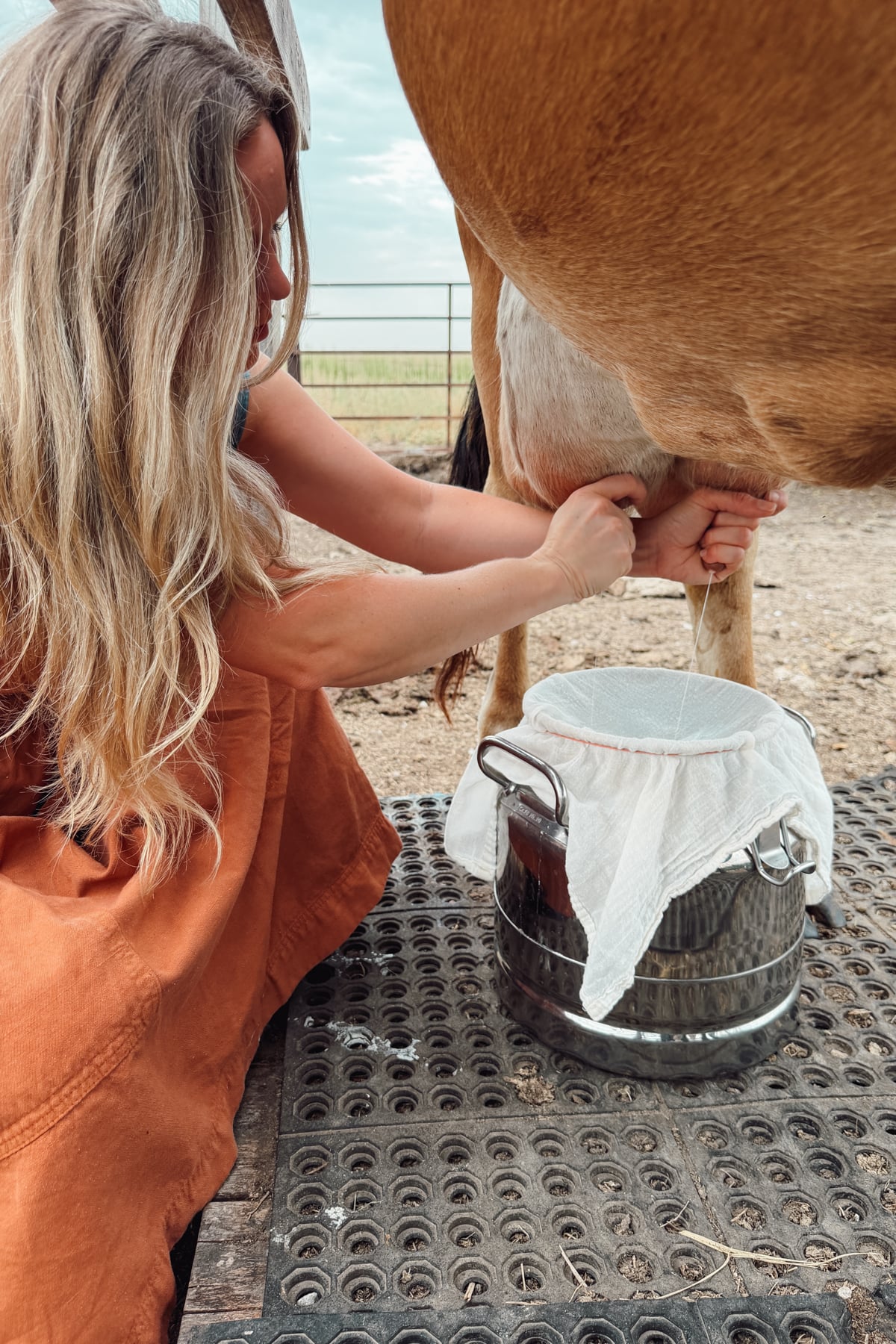
How much does it cost to own a dairy cow? On our established Kansas homestead, I spend approximately $350 per month feeding my two lactating Jersey cows during the winter. That's about $175 per cow, and it doesn't include veterinary expenses, breeding, minerals, equipment, or my time. Starting from scratch can cost considerably more once you factor in fencing, shelter, and milking equipment.
Buying a milk cow is just the beginning. Before you ever bring her home, you'll need adequate fencing, shelter, a reliable water source, and somewhere clean and safe to milk her. Depending on your setup, you might also need a milking machine, milk buckets, filters, jars, and a refrigerator with enough room to store all that milk.
And if you're planning to make your own cheese, you'll need a few more supplies. I've shared my essential cheesemaking equipment for beginners in a separate guide.
And then you have to feed her. Every single day. Whether she's producing milk or not.
What I Spend Feeding My Jersey Cows
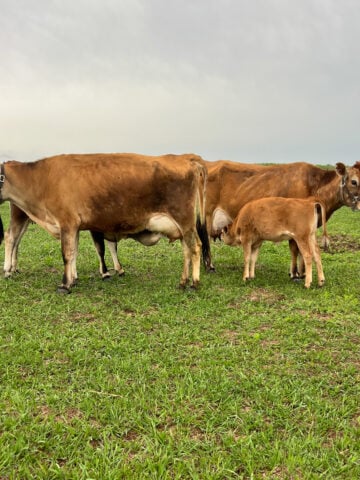
We currently have two Jersey milk cows, an 18-month-old heifer, and a calf. During the winter months, we feed free-choice alfalfa hay along with a daily grain ration for our milk cows.
Here's what I feed each of my lactating Jerseys every day in addition to their 10 acre short grass prairie pasture:
- 6 pounds of sweet feed
- 6 pounds of alfalfa pellets
- 1 pound of black oil sunflower seeds
- Free-choice alfalfa hay
Daily and Weekly Feed Costs for My Two Jersey Milk Cows
| Feed | Daily Cost | Weekly Cost |
|---|---|---|
| Sweet feed | $4.19 | $29.32 |
| Alfalfa pellets | $3.60 | $25.20 |
| Sunflower seeds | $0.88 | $6.16 |
| Winter hay (estimated share) | $2.83 | $19.81 |
| Total | $11.50 | $80.49 |
We spend approximately $1,200 on round bales of alfalfa hay to feed all four cattle from October through April. For this estimate, I've allocated half of that expense to my two milk cows, although actual hay consumption varies by animal.
And remember, those feed expenses don't include minerals, cleaning supplies, breeding, veterinary care, or my time.
Does Selling Milk Cover the Cost?
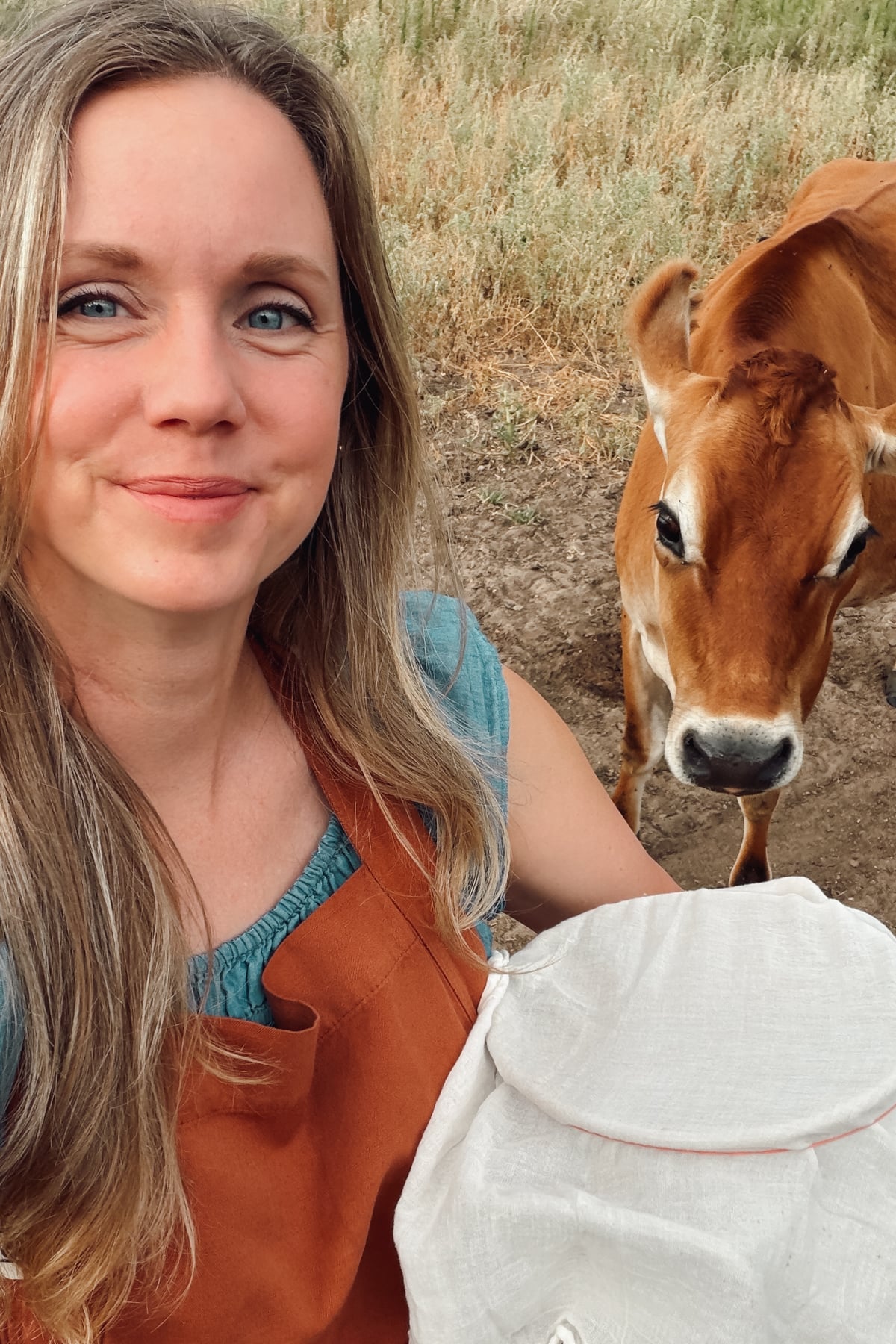
Right now, we're collecting approximately three gallons of milk per day while calf sharing. That's about 21 gallons per week.
At $10 per gallon, I would need to sell approximately eight gallons of milk each week just to cover the feed expenses for my two cows.
We also typically sell a weaned calf each year for around $1,800–$2,000, which helps offset our expenses.
So yes, my cows can pay for themselves, and when I don't factor in my labor, they generally leave us with a small profit. So far we haven't been hit with any expensive emergencies or vet bills, but that could certainly put us in the red fast.
But here's the thing. I'm not keeping milk cows to make money.
I'm keeping them because I want to feed my family good food. The fact that they help cover their expenses is a bonus.
And if you're considering bringing home your first milk cow, remember that these numbers are from an established homestead. We already have fencing, equipment, and the infrastructure needed to care for our animals.
Starting from scratch can be considerably more expensive.
The Mental Load of Owning a Milk Cow
Oof. The mental load. AKA Meg is riding the crazy train.
Here's the funny thing. I genuinely believe that a huge part of my physical and mental well-being comes from spending my mornings outside with my cows. Fresh air, sunshine on my face, working with my hands, and connecting with animals. It's one of the most peaceful parts of my day, and I absolutely love it.
But some days things go wrong. And when things go wrong with dairy cows, the stress can be INTENSE.
I've dealt with a cow calving during an arctic blast, a teat getting stepped on (and nearly torn off!), frostbite on another teat, and plenty of other situations that have kept me awake at night.
When Your Milking Equipment Fails
My milking machine has probably caused me more frustration than anything else about keeping dairy cows.
Recently, the motor developed a problem and the machine couldn't maintain enough vacuum to properly remove milk from my cows. Which meant I had to milk them by hand.
Now, Rosie is a dream to hand milk. She's patient, cooperative, and has nice teats that are easy to milk.
Spice... not so much.
Spice has short teats, she's fidgety, and she's a kicker. Hand milking her is not exactly my idea of a relaxing morning.
And naturally, this happened when it was over 100°F outside, the flies were absolutely relentless, and my cows were producing a combined 5½ gallons of milk per day.
FIVE AND A HALF GALLONS. BY HAND.
My hands hurt. I was hot, frustrated, and stressed, and there wasn't a darn thing I could do about it. The cows still needed milked.
That's the part of keeping dairy cows that people don't always think about. When something goes wrong, you can't just take the day off and deal with it later.
Find a Community
I have a handful of friends who also keep family milk cows. We're all smart, competent, responsible women who love our animals and take their care seriously.
And we all have photo albums on our iPhones called something like "Cow Udders & Vulvas." We compare notes, troubleshoot problems, and learn from each other constantly.
We spend an unbelievable amount of time examining things we never imagined we'd photograph, sending pictures back and forth, and asking each other, "Does this look normal to you?"
After spending so much time with my cows, I can usually tell within a minute of being around them if something isn't right. I know their personalities, their routines, their appetites, and all their little quirks. When something changes, I notice almost immediately, and I can usually narrow down the problem pretty quickly.
But recognizing a problem doesn't mean you can always prevent it.
And that's what makes the responsibility so heavy sometimes. You can have years of experience, know your animals incredibly well, and still find yourself dealing with something completely unexpected.
Your Life Revolves Around Milking
Your milk cow doesn't care if you're sick, have somewhere to be, or would rather sleep in on a Saturday morning. She's got milk in her udder, and somebody needs to take care of it.
Depending on your routine, that might mean milking once or twice a day, every single day. And while I genuinely enjoy my morning chores, there are definitely days when I'd rather stay in bed with another cup of coffee.
We practice calf sharing, which gives us a little more flexibility because the calves help with milking. But calf sharing comes with its own challenges, and it's not quite as simple as turning the calf loose and calling it good.
And then there's the question of who takes care of your cow when you're gone. Finding someone willing to feed your chickens or water the garden is one thing. Finding someone who knows how to safely handle and milk an 800-pound dairy cow is another.
And the milking itself is only part of the work.
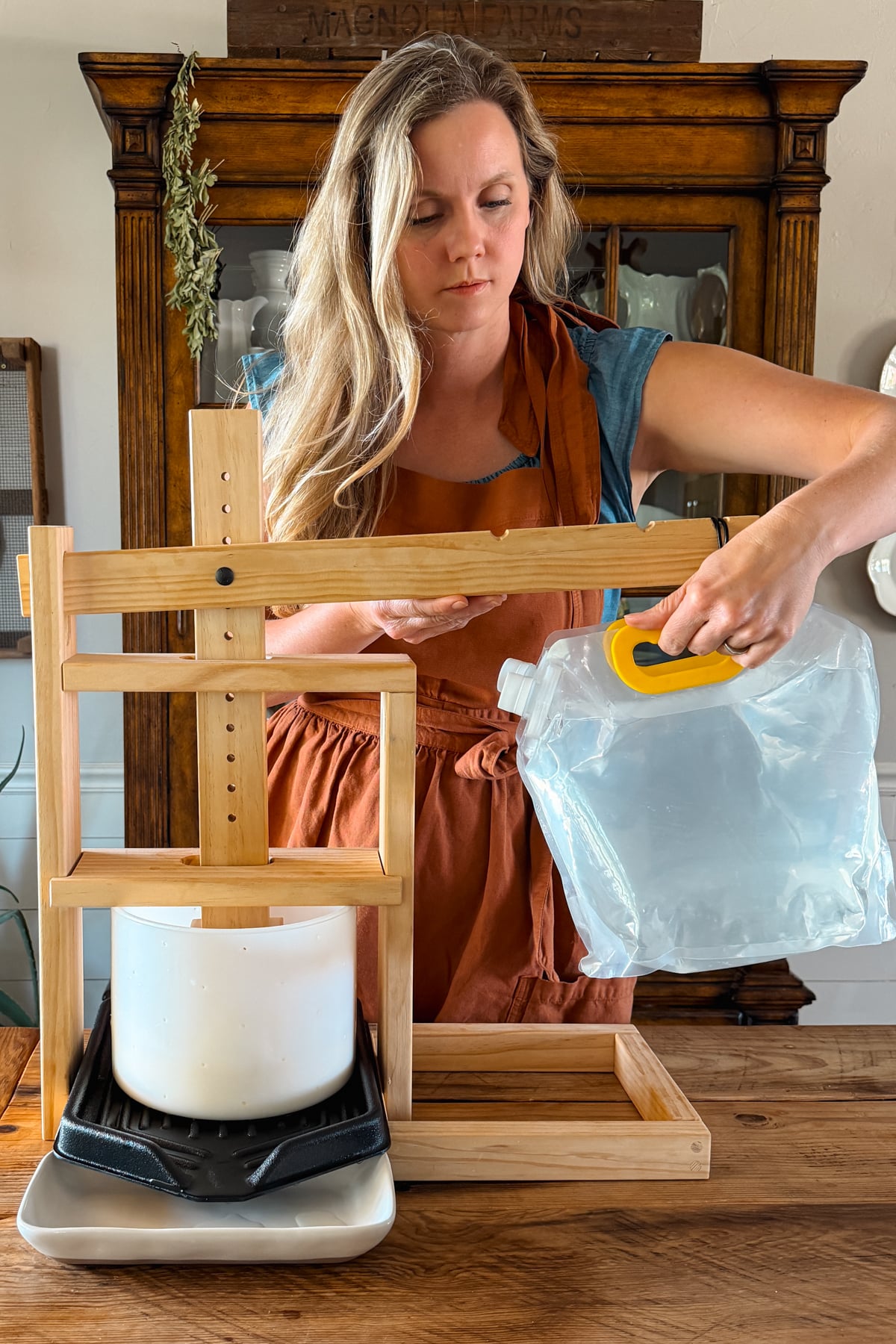
Once you've collected all that beautiful fresh milk, you still have to strain it, chill it, find room for it in the refrigerator, and figure out what to do with the gallons you collect every week. Then there's the endless washing and sanitizing of milking equipment, jars, and cheesemaking supplies.
I love making homemade butter and traditional cheddar cheese, but processing milk can easily turn into another part-time job.
Having a family milk cow is more than just another chore on your homestead. You are locked into a commitment that shapes your entire daily routine.
Good Intentions Don't Replace Knowledge
I think one of the biggest mistakes people make when bringing home their first family milk cow is underestimating how much there is to learn.
Dairy cows have specific nutritional needs, and things like feeding, body condition, udder health, breeding, and calving all require careful management. You need to recognize the early signs of problems like mastitis, milk fever, and ketosis, because waiting until a cow is obviously sick can have serious consequences.
I spend a lot of time in the homesteading corner of social media, and I've watched plenty of people share their experiences with family milk cows. Most are much like myself: committed, realistic, knowledgeable, and perfectly capable of caring for their animals.
But I've also watched people bring home their dream milk cow, only to find themselves overwhelmed in ways they never could have imagined. Sometimes they sell the cow within a few months or years. Other times, preventable mistakes or a lack of experience lead to serious health problems, and occasionally, the cow doesn't survive.
And that's heartbreaking, because these are living animals that depend on us to make good decisions for them.
My biggest piece of advice? Spend time with someone who already owns a family milk cow before buying your own. Offer to help with chores, learn to milk, ask questions, and see what the daily routine actually looks like. That hands-on experience is invaluable.
I'm so grateful to the friends who taught me how to milk and trusted me to care for their cow while they were out of town. Their mentorship allowed me to enter this lifestyle with my eyes wide open and a solid foundation of basic knowledge.
You don't have to know everything before bringing home your first cow. I certainly didn't, and I'm still learning! But you should have a solid understanding of dairy cow management, a knowledgeable veterinarian, and experienced people you can turn to when questions come up.
There's nothing wrong with being a beginner. We all start somewhere. But there's a big difference between being inexperienced and being unprepared.
Is Owning a Family Milk Cow Worth It?
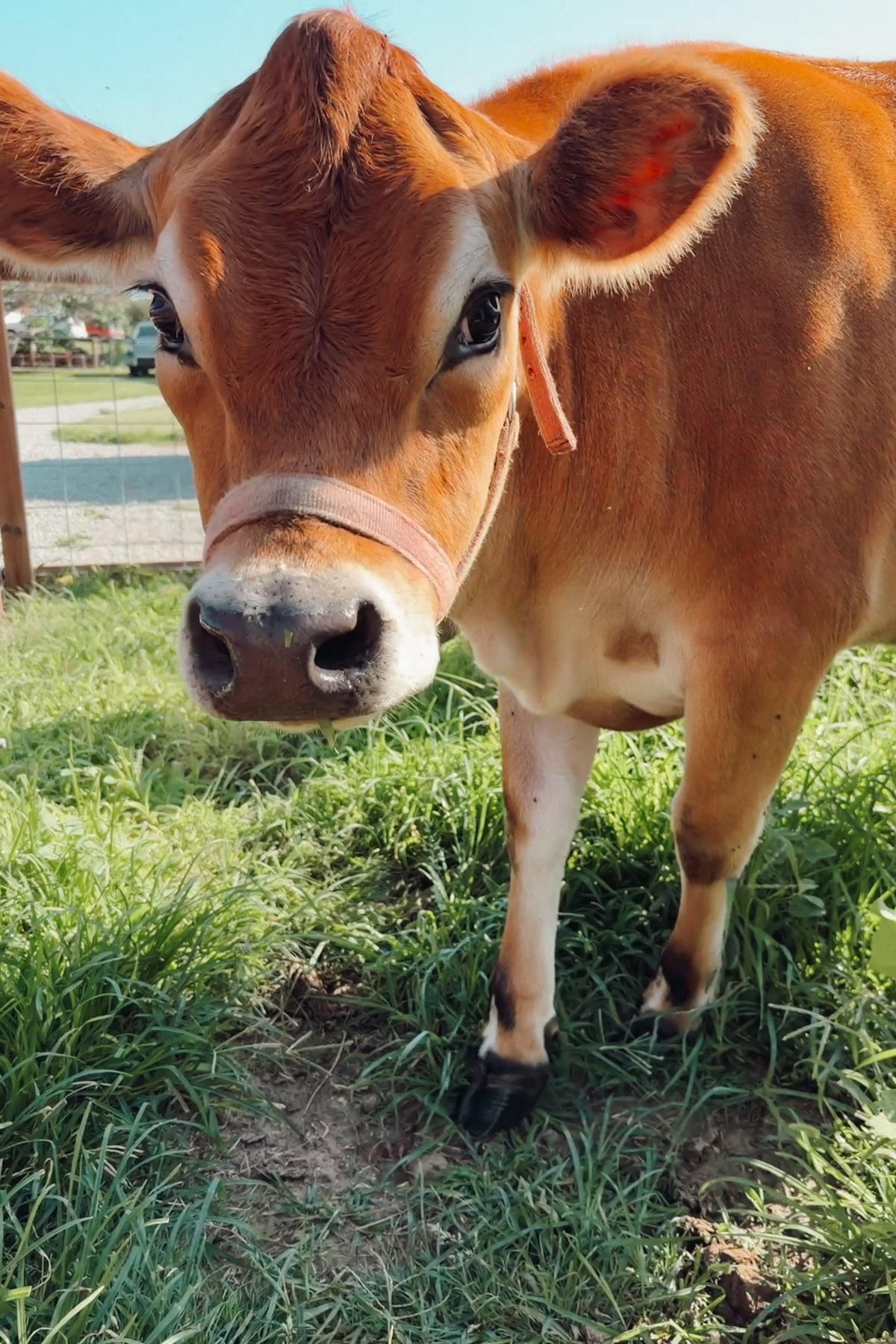
For me? Absolutely. Well, most days anyway.
I love knowing where our food comes from. I love having fresh milk in the refrigerator, making butter and cheese from scratch, and feeding my three growing boys food that we've raised or made ourselves.
We aren't perfect about it, either. I like to think we follow a 70/30 approach. We eat plenty of homemade meals, fresh eggs, home-raised meat, garden vegetables, and raw dairy. And we eat our fair share of conventional junk food, too. We have teens who play sports and we make homesteading fit our life, not the other way around.
But beyond the food, I genuinely love the lifestyle. I love walking out to the barn in the morning, hearing my cows greet me, and spending a little time outside before the rest of the world wakes up.
There's nowhere else I'd rather be, but I'd be lying if I said I never wondered if it's worth the stress.
I don't think everyone should have a milk cow in the backyard.
If you're considering one, I hope you'll take the time to learn what you're getting into. Find a mentor, ask questions, understand the costs, and be realistic about the commitment.
Because something can be completely worth it and still not be right for everyone.
I've never had an animal cause me quite as much stress as my dairy cows.
And I've never loved keeping an animal quite as much.
More From the Homestead




Comments
No Comments