
The Pros and Cons of Cedar Mulch
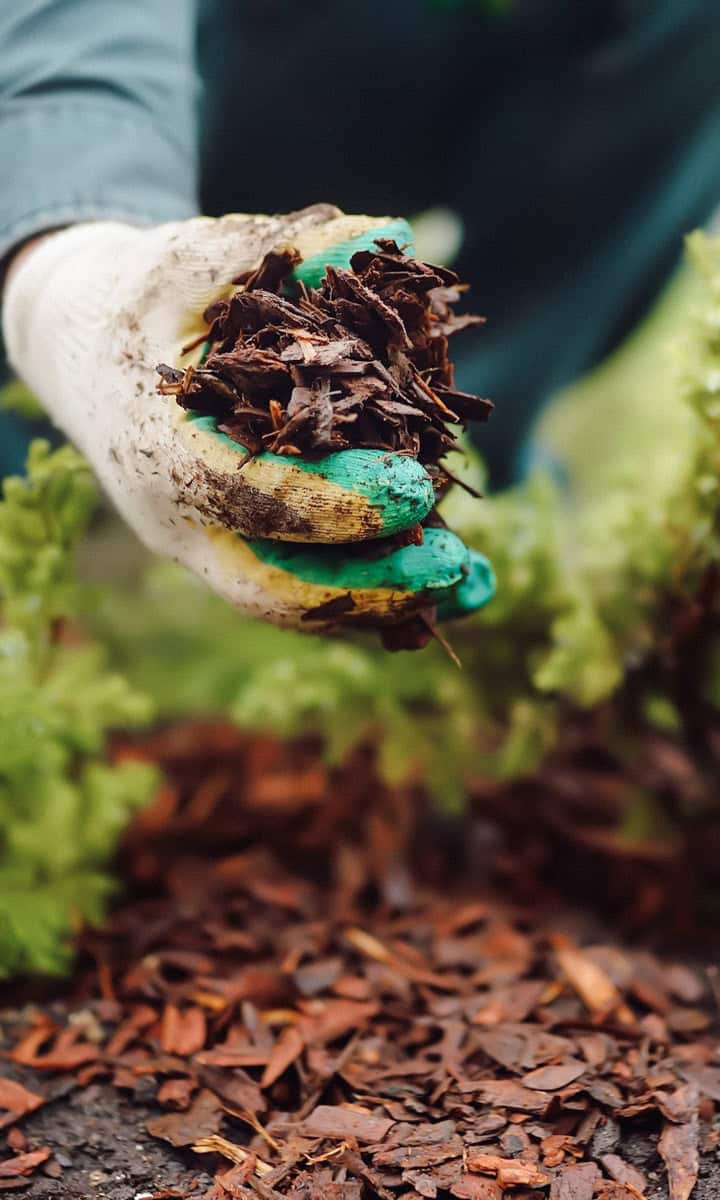
If you're trying to decide whether cedar mulch is worth the extra cost, my short answer is yes. After using cedar mulch around our homestead for more than 15 years, I'd still choose it today. The only thing I'd do differently is skip the chunky cedar mulch I used years ago and buy finely shredded cedar bark mulch instead. It spreads more evenly, stays put better during heavy rains, and gives my landscape beds a cleaner, more finished look.
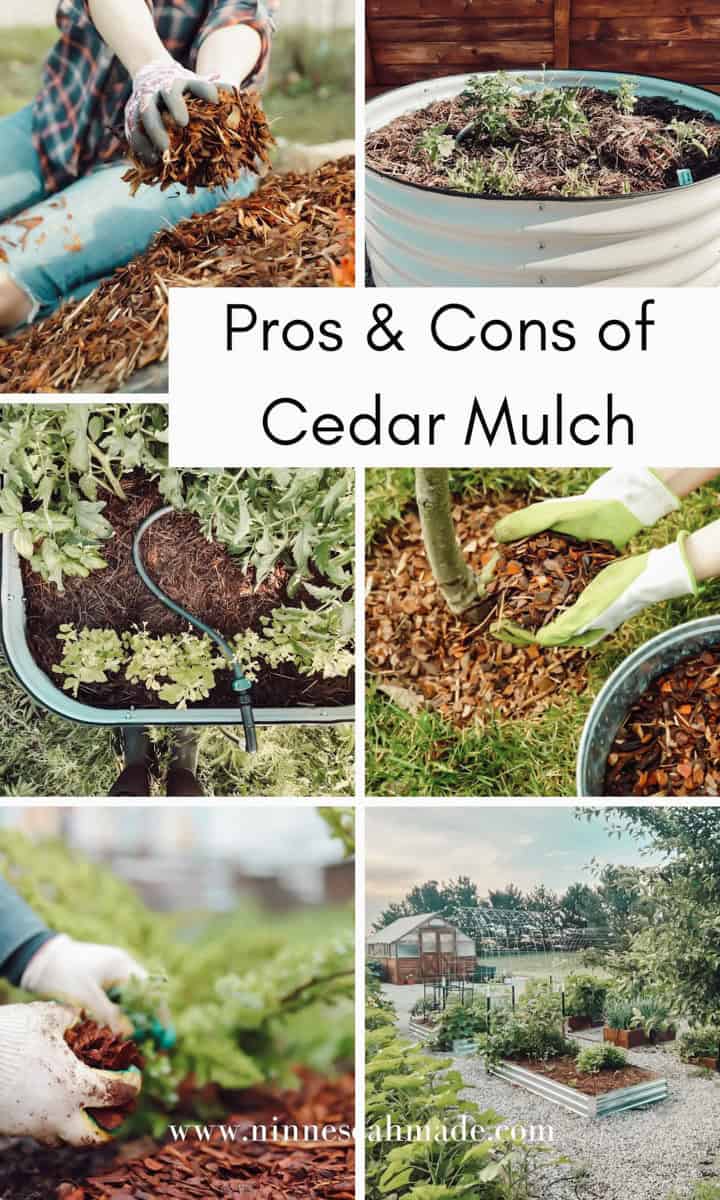
Mulch is simply a protective layer spread over the soil. A good mulch helps conserve moisture, suppress weeds, regulate soil temperature, and reduce erosion, all while giving your landscape a polished appearance. Choosing the right mulch can also save you time and money by reducing maintenance throughout the growing season.
In this guide, I'll walk you through the real pros and cons of cedar mulch, explain where I use it (and where I don't), compare it to other popular mulch options, and share what I've learned after more than a decade of gardening and landscaping. By the end, you'll know whether cedar mulch is the right choice for your yard and which type I recommend buying.
Jump to:
- Different Types of Mulch
- My Experience After 13+ Years
- The Pros of Cedar Mulch
- The Cons of Cedar Mulch
- Pros and Cons of Cedar Mulch
- Choosing the Best Cedar Mulch
- Does Cedar Mulch Repel Insects?
- Where Should Cedar Mulch Be Applied?
- What are other common mulches?
- What Are Other Common Mulches?
- The Mulches I Use Around Our Homestead
- Frequently Asked Questions
- Continue Learning
- More gardening posts you'll love!
- Comments
Different Types of Mulch
Mulch generally falls into two categories: organic and inorganic.
Organic Mulches
Organic mulches are made from natural materials and gradually break down over time. Common organic mulches include:
- Cedar mulch
- Pine mulch and pine needles
- Hardwood mulch
- Wood chips
- Bark mulch
- Straw and hay
- Grass clippings
- Compost
- Shredded leaves
- Hemp mulch (hemp grounds)
- Cottonseed hulls
Inorganic Mulches
Inorganic mulches don't decompose and are typically used for long-term landscaping or decorative purposes. Common options include:
- River rock
- Gravel
- Rubber mulch
- Landscape fabric
My Experience After 13+ Years
We've lived on our 20-acre Kansas homestead for more than 13 years, and during that time I've experimented with just about every type of mulch imaginable. I've used cedar mulch around our landscape beds, river rock in our garden pathways, compost and aged cow manure in our vegetable garden, hemp mulch, straw, grass clippings, and even cottonseed hulls.
Some of those choices worked exactly as I hoped. Others taught me expensive lessons.
Over the years, my goal has changed from simply making my landscaping look nice to choosing mulches that are practical, long-lasting, and healthy for the soil. I've learned that there isn't one perfect mulch for every situation. The best choice depends on what you're growing and what you want the mulch to accomplish.
After all of those years of trial and error, I still recommend cedar mulch for most permanent landscape beds. In fact, I still use it today. In my experience, it spreads more evenly, stays in place better during heavy rains, and gives my landscape a cleaner, more finished look.
The Pros of Cedar Mulch
After landscaping our property with cedar mulch for well over a decade, these are the advantages that have kept me coming back to it.
Beautiful Natural Appearance
One of the biggest reasons I continue to choose cedar mulch is simply because I love how it looks. A fresh layer instantly makes flower beds, shrubs, and trees look clean and well cared for. Cedar also has a pleasant woodsy scent that myself (and many other gardeners) enjoy.
Over the years, I've found myself becoming pickier about the type of cedar mulch I buy. While chunky cedar mulch works well, I now prefer a finely shredded Grade A cedar bark mulch because it creates a softer, more finished look and stays in place better during extreme Kansas wind and torrential rains.
Long-Lasting
Compared to many other organic mulches, cedar mulch breaks down slowly. That means it lasts longer before needing to be topped off, making it a great choice if you want a low-maintenance landscape.
I don't completely replace my cedar mulch every few years. Instead, I simply add a fresh layer as it naturally decomposes and thins over time.
Excellent Weed Suppression
No mulch completely eliminates weeds, but cedar mulch does an excellent job of reducing them.
A 2- to 4-inch layer blocks sunlight from reaching many weed seeds, making it much harder for them to germinate. Fewer weeds means less time spent pulling them and more time enjoying your garden.
Helps Retain Soil Moisture
One of the biggest benefits of cedar mulch is moisture retention.
By covering the soil surface, cedar mulch slows evaporation and helps the ground stay consistently moist between waterings. During our hot Kansas summers, I've found this makes a noticeable difference in my landscape beds, especially around shrubs and perennial flowers.
Helps Moderate Soil Temperature
Like most organic mulches, cedar helps insulate the soil from temperature extremes. It keeps the ground cooler during the heat of summer and helps reduce rapid temperature swings throughout the year, creating a more stable environment for plant roots.
Low Maintenance
One of the reasons cedar mulch has remained my favorite for permanent landscape beds is that it simply doesn't require much attention. Because it lasts so long, I spend less time refreshing mulch each season and more time enjoying the garden.
While I use other types of mulch in different parts of our homestead, cedar is still my first choice for landscape beds around our home because it combines long-lasting performance with a beautiful natural appearance.
The Cons of Cedar Mulch
No mulch is perfect, and cedar mulch is no exception. While it's still my favorite choice for most permanent landscape beds, there are a few drawbacks worth considering before you buy it.
Higher Cost
Compared to hardwood mulch, pine mulch, or wood chips, cedar mulch is usually one of the more expensive options. If you're covering a large area, that price difference can add up quickly.
For me, the higher upfront cost is worth it because cedar lasts longer than many other organic mulches, so I don't have to refresh it as often.
It Doesn't Add Organic Matter as Quickly
One of cedar mulch's greatest strengths is also one of its drawbacks. Because cedar breaks down slowly, it doesn't improve the soil as quickly as compost, shredded leaves, grass clippings, or straw.
That's one of the reasons I don't use cedar mulch in my vegetable garden. Instead, I prefer mulches that feed the soil as they decompose.
Color Fades Over Time
Like every natural wood mulch, cedar gradually weathers from its rich golden-brown color to a softer grayish brown over time.
That fading doesn't affect how well the mulch performs, but if you like the freshly mulched look, you'll probably find yourself adding a light topdressing every year or two.
Surface Fungi Can Develop
In damp, shaded conditions, it's normal for fungi or mushrooms to occasionally grow on wood mulch, including cedar mulch.
While they may not be attractive, they're usually a natural part of the decomposition process and rarely harm established landscape plants. If they bother you, simply rake the mulch to improve airflow or remove the affected pieces.
Pros and Cons of Cedar Mulch
| Feature | Cedar Mulch |
|---|---|
| Lasts a long time | ✅ Excellent |
| Weed suppression | ✅ Excellent |
| Moisture retention | ✅ Excellent |
| Cost | ❌ Higher than many wood mulches |
| Adds organic matter quickly | ❌ No |
| Best for vegetable gardens | ⚠️ Not my first choice |
| Best for landscape beds | ✅ My favorite |
Choosing the Best Cedar Mulch
This is one of the biggest lessons I've learned after more than 13 years of landscaping our property. Not all cedar mulch is the same.
Large cedar chips have their place, but I no longer buy them for my landscape beds. In my experience, they tend to shift around more during Kansas wind and heavy rains, leaving bare spots that need to be raked back into place.
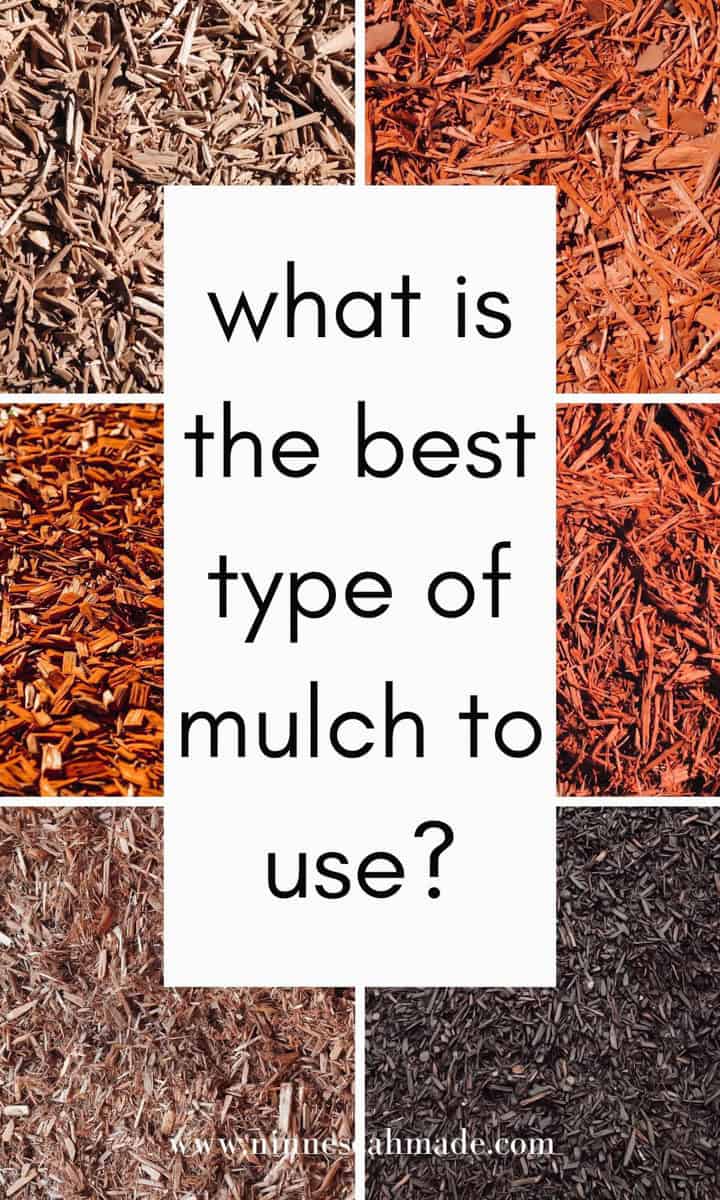
Today I choose finely shredded cedar bark mulch (this one). The smaller pieces knit together better, spread more evenly, stay where I put them, and give my landscape beds a softer, more finished appearance. If you're trying to decide between cedar chips and shredded cedar bark mulch, I think the shredded bark is well worth the extra cost.
Is Bark Mulch Better Than Cedar Mulch?
This question can be a little confusing because cedar bark mulch is cedar mulch. The difference is simply which part of the tree the mulch is made from and how it's processed.
Some cedar mulches are made from larger wood chips, while others are made primarily from shredded cedar bark. After using both, I've found that finely shredded cedar bark mulch performs much better in my landscape. It stays in place during storms, suppresses weeds more evenly, and creates the natural look I prefer around our home.
Does Cedar Mulch Repel Insects?
Cedar mulch has a reputation for repelling insects, and there is some truth to it. Cedar wood naturally contains aromatic oils that can discourage certain insects, which is one reason cedar has long been used in products like cedar chests and closet liners.
That said, cedar mulch isn't a magic solution for pest control. While it may help discourage some insects, including certain ants, moths, and termites, you shouldn't expect it to keep your landscape completely bug-free.
I choose cedar mulch because it's attractive, long-lasting, and low maintenance. Any insect-repelling properties are simply an added bonus rather than the main reason I use it.
Where Should Cedar Mulch Be Applied?
I think cedar mulch is one of the best choices for permanent landscape beds where you're looking for a beautiful, low-maintenance mulch that will last for years. I use it around shrubs, ornamental trees, fruit trees, perennial flowers, and foundation plantings around our home.
For me, cedar is the best mulch for landscaping around the home because it's long-lasting, attractive, and requires very little maintenance. If someone asked me the best mulch to use around a house, I'd recommend a finely shredded cedar bark mulch every time.
I don't usually choose cedar mulch for my annual vegetable beds because I prefer mulches like compost, aged manure, straw, or other organic materials that add nutrients to the soil as they break down. However, cedar mulch works well in the pathways between raised beds, where its long lifespan and weed suppression are real advantages.
One thing I've learned over the years is that mulch doesn't have to be permanent. If you decide to add a new shrub or perennial, simply pull the mulch back, plant as usual, and spread the mulch back around the new plant once you're finished. It's a simple process and not something that has ever discouraged me from using cedar mulch in my landscape.
How to Apply Mulch Around Plants
Even the best mulch won't perform well if it's applied incorrectly.
For most landscape beds, I recommend spreading cedar mulch 2 to 4 inches deep. That's enough to help suppress weeds, retain soil moisture, and regulate soil temperature without creating an excessively thick layer.
As you spread the mulch, leave a few inches of space around the stems of flowers and shrubs and several inches around the trunks of trees. Avoid piling mulch directly against the base of plants or creating "mulch volcanoes" around trees. Keeping that area clear improves airflow and helps reduce the risk of rot, disease, and insect problems.
One question I hear often is whether you should put landscape fabric under mulch. After years of gardening, I've found there isn't a one-size-fits-all answer.
In permanent landscape beds where I want long-term weed suppression, I don't mind using quality landscape fabric beneath cedar mulch. In other areas, I prefer laying the mulch directly on the soil so it can slowly break down over time and contribute organic matter to the surface.
Best Mulch for Trees
Cedar mulch is also an excellent choice around established trees, as long as you keep mulch several inches away from the trunk.
Best Mulch for Flower Beds
Cedar remains my favorite mulch for flower beds because it stays attractive for years.
No matter which approach you choose, plan to add a light topdressing of mulch every few years as it naturally settles and decomposes. Keeping the mulch at the proper depth and pulled back from plant stems will help your landscape stay healthier and require less maintenance.
What are other common mulches?
There are other types of wood mulch that you can use as well.
What Are Other Common Mulches?
Cedar isn't the only wood mulch available, and the best choice depends on your budget, your landscape, and what you're trying to accomplish.
Cedar Mulch vs. Pine Mulch
Pine mulch is usually less expensive than cedar mulch and is widely available. Pine mulch is very similar in appearance to cedar mulch, but not in water retention properties. Playgrounds or parks use mulch because it has good draining properties and is known for its beautiful natural color. While both help suppress weeds and retain moisture, I've found cedar mulch generally lasts longer before needing to be refreshed, making it my preferred choice for permanent landscape beds.
Cedar Mulch vs. Hardwood Mulch
Hardwood mulch is another popular and budget-friendly option. It performs many of the same functions as cedar mulch, but it typically breaks down more quickly. If you're looking for the longest-lasting wood mulch, I think cedar is worth the additional cost.
Cedar Mulch vs. Cypress Mulch
Cypress mulch is often compared to cedar because both are long-lasting wood mulches with an attractive natural appearance. While either can work well in landscape beds, I continue to choose cedar because it's readily available where I live and has consistently performed well on our property.
Ultimately, there isn't one "best" mulch for every garden. After years of trying different materials, cedar mulch remains my favorite for ornamental landscape beds because it combines long-lasting performance, excellent weed suppression, and a beautiful natural appearance.
It is in your best practice to not use wood mulches in your vegetable gardens, unless it is as a walkway between your raised beds. Due to the fact that the wood of the mulch will readily deplete the nitrogen levels of the soil, the roots of the plants will not be able to source the appropriate nutrients for your plant, which in turn will cause your vegetable plant to due.
A thick layer of mulch can also over power the plant by covering up too much of the stem, causing it to break or die.
The Mulches I Use Around Our Homestead
After more than 13 years of gardening and landscaping, I've learned that there isn't one perfect mulch for every situation. Instead of using the same mulch everywhere, I choose different materials depending on what I'm growing and what I want the mulch to accomplish.
Landscape Beds
For our landscape beds around the house, I almost always choose a finely shredded cedar bark mulch. It lasts for years, suppresses weeds, retains soil moisture, and gives the landscape a clean, finished appearance. After trying several types of cedar mulch over the years, I've found that the finely shredded bark stays in place much better during Kansas wind and heavy rains than the larger cedar chips commonly sold at home improvement stores. It's my favorite mulch for permanent landscape beds and the one I recommend most often. I also use river rock with weed barrier fabric in areas prone to water erosion or pet damage.
Garden Pathways
In the pathways between our raised beds, we use several inches of natural river rock over landscape fabric. It creates a durable, low-maintenance surface that doesn't wash away and keeps weeds under control. While I love river rock for pathways, I don't use it around most landscape plants because rocks can absorb and radiate heat during our hot Kansas summers.
Vegetable Garden Beds
My vegetable beds are a completely different story. Instead of trying to make them look perfect, my goal is to build healthy soil.
I regularly mulch with homemade compost and well-aged cow manure mixed with straw, bedding, and other organic materials from our farm. As those materials break down, they feed the soil, improve its structure, and return nutrients to the garden.
Over the years I've also experimented with other mulches, including hemp mulch, grass clippings, and cottonseed hulls. Some have worked beautifully. Others have taught me expensive lessons. Every material has reinforced the same conclusion: the best mulch depends on what you're growing and what you want it to accomplish.
Frequently Asked Questions
It depends on where you're using it. I don't typically use cedar mulch directly around annual vegetables because I prefer compost, aged manure, straw, and other organic mulches that improve the soil as they break down. However, cedar mulch works well in the pathways between raised beds where long-lasting weed suppression is the priority.
One of the biggest advantages of cedar mulch is its longevity. Because it decomposes more slowly than many other organic mulches, it often lasts several years before needing a light topdressing. Rather than removing all of the old mulch, I simply add a fresh layer whenever it begins to thin.
Yes. In most landscape beds, there's no need to remove the existing cedar mulch each year. As long as the old mulch hasn't become excessively thick or matted down, simply loosen it with a rake and add a fresh layer on top as needed.
For most landscape beds, a depth of 2 to 4 inches is ideal. This provides good weed suppression, helps retain soil moisture, and moderates soil temperature without smothering the soil. Keep the mulch pulled back a few inches from plant stems and tree trunks.
Cedar mulch won't eliminate weeds completely, but it significantly reduces them. A properly applied layer blocks sunlight from reaching many weed seeds, making it much harder for them to germinate and grow.
Yes. By covering the soil surface, cedar mulch slows evaporation and helps the soil stay moist longer between waterings. This is especially helpful during hot, dry weather.
Yes. Like other organic mulches, cedar helps insulate the soil by keeping it cooler during the summer and reducing rapid temperature swings throughout the year. This creates a more stable environment for plant roots.
That depends on your goals. In permanent landscape beds where long-term weed suppression is the priority, I don't mind using quality landscape fabric beneath cedar mulch. In other areas, I prefer laying mulch directly on the soil so it can gradually contribute organic matter as it breaks down.
Yes. Cedar mulch is an excellent mulch for most trees, shrubs, perennial flowers, and ornamental plants. I simply choose other mulches in my annual vegetable beds because I want those mulches to break down more quickly and feed the soil.
Termites feed on wood, so they can occasionally be found in any wood mulch. However, cedar contains natural compounds that may make it less attractive than some other wood mulches. I wouldn't choose cedar mulch solely for termite prevention, but I also wouldn't avoid it because of termite concerns.
Continue Learning
Every year I grow a large vegetable garden here in Kansas, and one lesson comes back season after season: healthy soil grows healthy plants. Whether I'm growing tomatoes, potatoes, cucumbers, pumpkins, or herbs, the same principles of mulching, composting, and soil care show up in every corner of the garden.
If you're planning your own garden, here are a few more guides based on my own successes, failures, and years of hands-on experience
- How to Grow Healthy Tomatoes
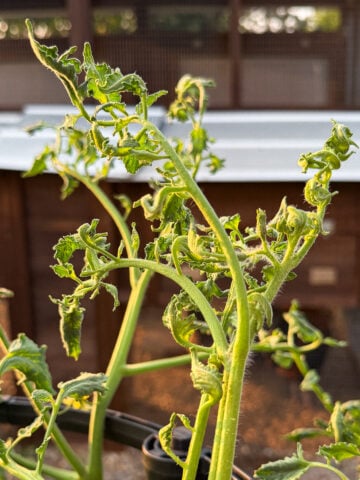
- Herbicide drift damage on tomatoes
- Tips for Planting Potatoes (step-by-step)
- How to Grow Cucumbers on an Arch Trellis
- Harvesting & Preserving Garlic Scapes
- How to Grow Peppers in Zone 6B and The Best Soil for Peppers
- A Guide for Growing Pumpkins
More gardening posts you'll love!

Interesting that you didn't mention the obvious "con" that cedar mulch comes from cutting down living trees and running them through a wood chipper. Renewably resourced mulches such as hay/straw, grass clippings, pine needles, wood chips from landscaper trimmings and tree removals, etc have a much lower environmental impact.
Hi Beppe,
You make a good point. Trees do take decades to grow and it is sad when they are harvested or cut down. I live in the Midwest, and cedar trees are considered an invasive species here. They overtake prairie pastures and use up precious water from the aquifers in places that get very little rain. Tall cedars can be used for carpentry and building supplies, but young cedars are usually either burned or mulched.
I surround my one and two-gallon container plants with fresh cedar flakes to deter insects from lingering. They are in crates of four and six pots. Sort of a portable garden. I water the mulch and containers separately. The potting soil in each container is fed every fifth watering with 20-20-20, 1 tsp per gallon. Do you think adding a garlic and peppermint solution to the water I wet the mulch with will boost the pest repelling property of the cedar? Is there another oil that I could add? Why do I have containers? I have goats, so I move them when they are nearby.
Hi Russel,
Which pests are you trying to deter? Caterpillars, pill bugs, grasshoppers? That will help give me a better idea of how to advise you. Thanks!
"Beautiful photos and excellent tips! I'm planning to redesign my flower garden and these ideas are just what I needed. Mixing perennials and annuals sounds like a great way to keep the garden lively throughout the seasons. Do you have any recommendations for shade-loving flowers?"