
Growing Rhubarb from Seeds or Starts: A Comprehensive Guide
Rhubarb is a perennial favorite in our garden, and it’s a joy to grow! This tart and tasty plant is perfect for pies, jams, and even savory dishes. Here’s everything you need to know to get started with rhubarb in your garden. Keep reading to learn all about growing rhubarb from seeds or starts!
Jump to:
- Choosing the Right Spot
- Ground Preparation
- Transplanting and Spacing
- Pros and Cons of Growing Rhubarb from Seed Vs. Plants
- Planting Rhubarb
- Caring for Rhubarb
- Harvesting Rhubarb
- How to Harvest Rhubarb
- Overwintering Rhubarb
- Rejuvenating Rhubarb
- Forcing for an Early Crop
- Pests, Diseases and Common Problems
- Harvesting and Storing Rhubarb
- Cooking with Rhubarb
- A Final Thought
- Latest Gardening Tips & Tutorials
- Easy Recipes You'll Love
- Comments
Choosing the Right Spot
Rhubarb thrives in cool climates and needs a spot with full sun, although it can tolerate partial shade. Make sure the fertile soil is well-draining and rich in organic matter. If your soil is heavy clay, consider raising your beds to improve drainage.
Rhubarb prefers slightly acidic soil (pH 5.5-6.5) and will wilt in very hot weather, so choose a semi-shaded area protected from the afternoon sun in warmer climates.
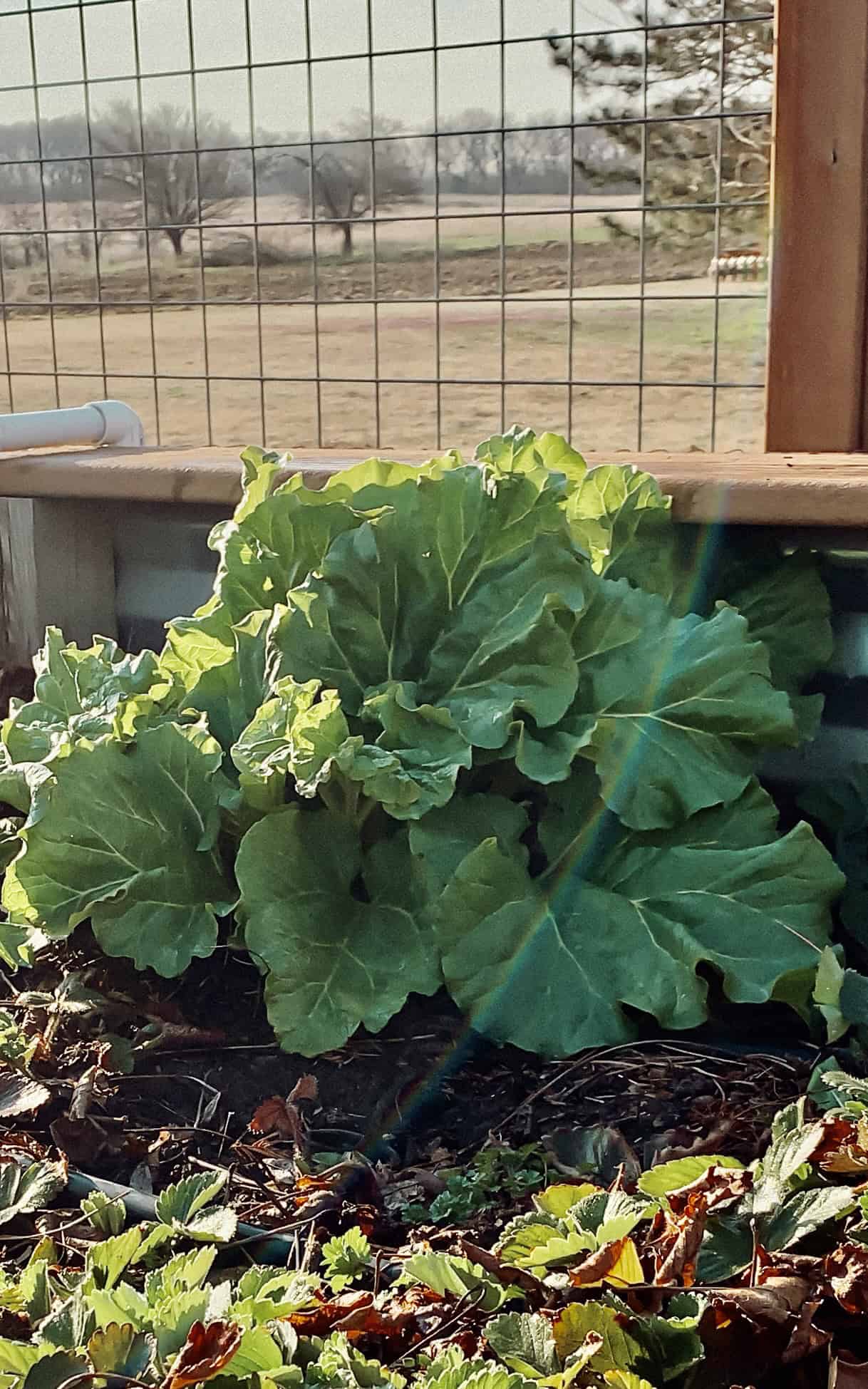
We grow rhubarb in two locations on our homestead: a partial-sun raised bed and in the ground in full sun. Both locations thrive in their specific spot and we've even been able to separate our rhubarb to make more plants! We are gardening in Central Kansas, climate zone 6B. Our growing season runs from the beginning of May through late October.
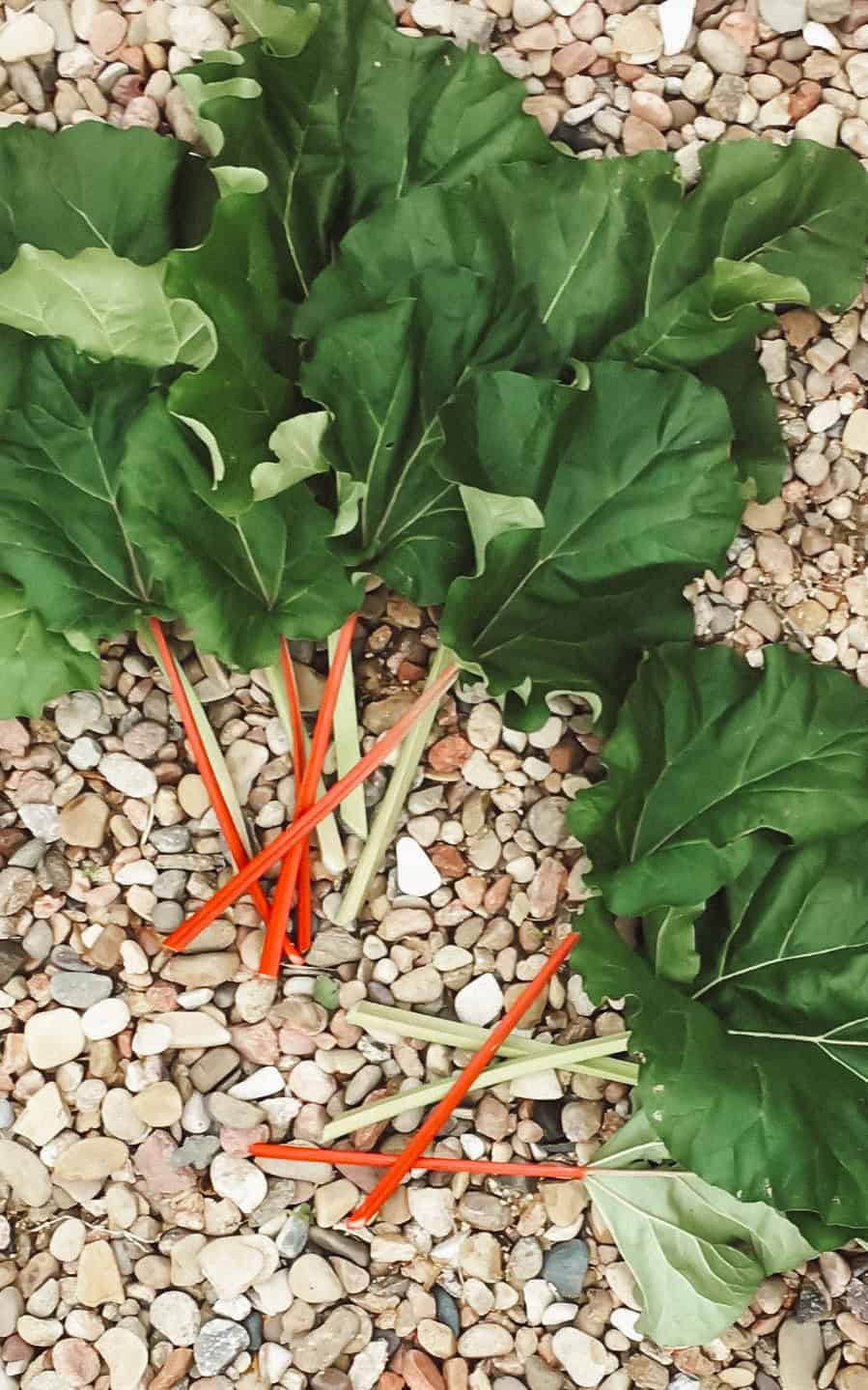
I usually begin to see bright green leaves and rhubarb stalks popping up in the late winter or early April. I leave these to grow until mid to late spring, and then I harvest the leaf stalks for rhubarb pies and cobblers.
Ground Preparation
Prepare the soil by removing all weeds and incorporating plenty of organic matter like well-rotted manure or garden compost. This will set the stage for long-term growth and ease future maintenance.
Transplanting and Spacing
Once your seedlings have grown to a good size and developed strong roots, plant them out after hardening off. Ensure consistent watering, especially during the first year to help them establish well.
Pros and Cons of Growing Rhubarb from Seed Vs. Plants
Growing Rhubarb from Seed
Pros:
- Cost-Effective: Rhubarb seeds are generally cheaper than purchasing established plants.
- Variety: You can find a wider range of rhubarb varieties available in seed form.
Cons:
- Time-Consuming: Rhubarb grown from seed can take several years to reach a harvestable size.
- Germination Challenges: Seeds can be tricky to germinate, requiring specific conditions.
- Patience Required: More time and patience are needed to get strong, healthy plants.
Buying Rhubarb Plants
Pros:
- Quicker Harvest: You can start harvesting in the second year, sometimes even the first if the plant is well-established.
- Less Effort: Easier and more straightforward for beginners or those with average gardening experience.
- Reliability: Higher success rate with established plants or crowns.
Cons:
- Cost: More expensive upfront compared to seeds.
- Limited Varieties: Fewer variety options might be available at local nurseries compared to seed catalogs.
Planting Rhubarb
Growing Rhubarb From Seeds:
- When to Plant: Sow seeds in spring or summer.
- How to Grow from Seed:
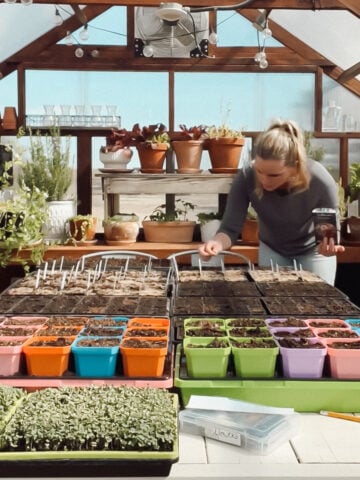
- Start Indoors: Begin seeds indoors about 8-10 weeks before the last frost.
- Soil and Temperature: Use a good seed-starting mix and keep the temperature around 70°F (21°C) for optimal germination.
- Transplanting: Once seedlings are large enough and all danger of frost has passed, transplant them outdoors. Be prepared for a longer wait before your first real harvest, usually about 3 years.
Growing Rhubarb From Crowns or Bare-Root Plants:
- When to Plant: Early spring, as soon as the ground can be worked.
- How to Plant:
- Space the rhubarb crowns (roots) about 3 feet apart in well-drained soil.
- Plant them with the buds facing up, about 1-2 inches below the garden soil level.
- Water the planting site well after planting. These large plants like moist soil, but can rot if it's soggy for too long.
Caring for Rhubarb
- Watering: Rhubarb needs consistent moisture, especially during dry spells. Water deeply to encourage strong root growth.
- Mulching: Apply a layer of mulch along the soil surface around the plants to retain moisture, suppress weeds and protect it during the winter months.
- Feeding: In the spring, side-dress with compost or a balanced fertilizer to give your planting area a nutrient boost.
- Bolting: Rhubarb will send up a bloom in the springtime. I pluck off the flower by cutting it off at the base. This forces the plant to focus it's energy into developing healthy roots, stalks and leaves instead of flowering.
Harvesting Rhubarb
Patience is key with this perennial plant. Avoid harvesting in the first year to let the plant establish itself. By the second year, you can start picking, but only lightly. I stop harvesting after late summer so that my rhubarb patch has enough energy to survive the winter. By the third year, you can harvest more generously. Remember -- never harvest the entire plant!
My first harvest is usually in late April or early May, then I'll harvest occasionally through late summer. It's a good idea to resist over-picking to keep your healthy rhubarb plant in good shape!
How to Harvest Rhubarb
- Select Stalks: Choose stalks that are at least 12-18 inches long.
- Pull, Don’t Cut: Gently grasp the stalk near the base and pull it to one side until it snaps off. Avoid cutting as this can leave a stub that might rot.
Note: Only the stalks are edible. The leaves contain oxalic acid and should not be eaten.

Overwintering Rhubarb
In cool and alpine climates, rhubarb will die down over winter and reshoot in early spring. In warmer climates, rhubarb may stay evergreen and produce year-round. Top-dress with aged or well-rotted manure every spring, keeping it away from the crown to prevent rot.
Rejuvenating Rhubarb
To reinvigorate an aging clump of rhubarb, divide the plants every 3-4 years in late autumn. Dig up the healthiest plants, divide them into pieces containing at least two buds, and replant them.
Forcing for an Early Crop
For an early crop of pinker, sweeter shoots, exclude light from the plants from midwinter using a forcer or an upturned garbage bin. This stresses the plant, so do not force the same plant more than once every three years.
Pests, Diseases and Common Problems
- Slugs and Snails: Protect young plants by keeping them off the ground and using barriers.
- Fungal Infections and Viruses: Dispose of infected plants and rotate planting sites.
- Crown Rot: Ensure good drainage to prevent this.
- Bolting: Sometimes rhubarb will produce flower stalks. This happens in my garden during mid-spring as the temperatures warm up. Cut these off as soon as you see them to keep the plant’s energy focused on producing stalks.
Harvesting and Storing Rhubarb
Harvest from mid-spring to midsummer, and even autumn in warm climates. Pull and twist stalks to harvest, leaving half the stems to maintain plant health. Fresh rhubarb can be stored in the fridge for up to two weeks or frozen for year-round use.
Cooking with Rhubarb
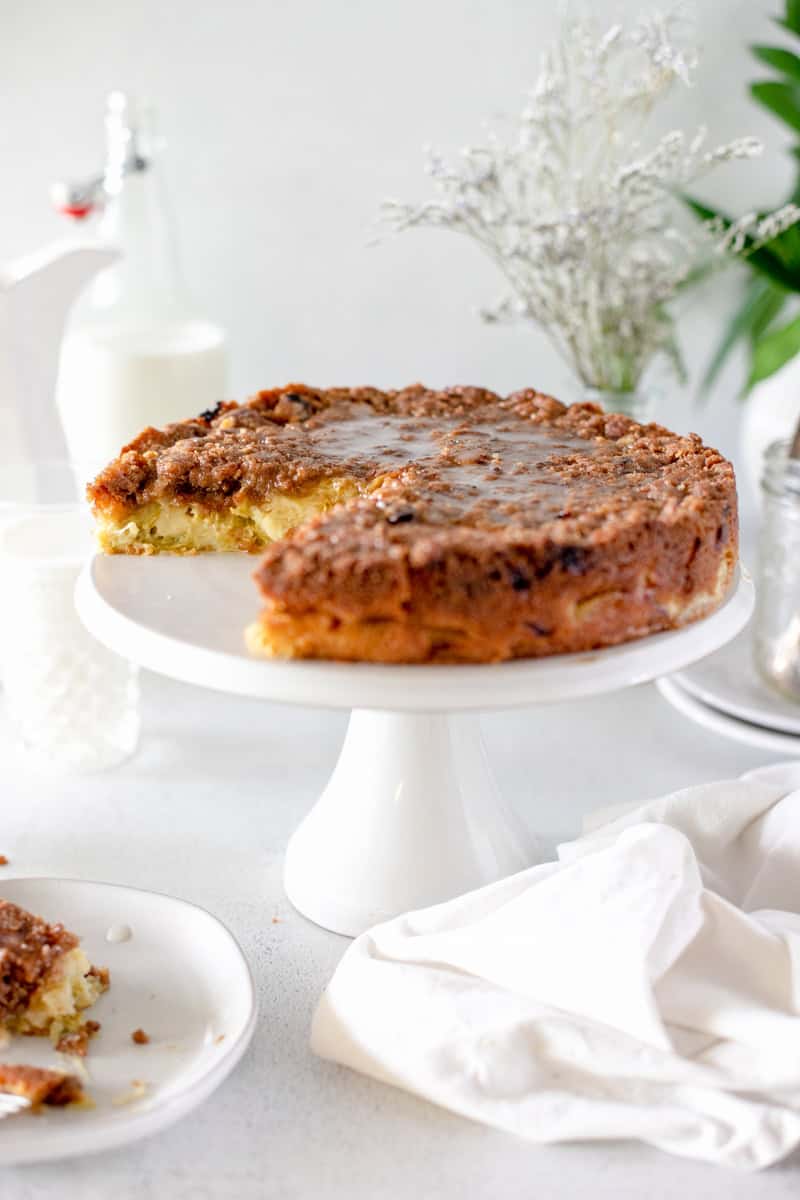
Rhubarb is often stewed with a little sugar or honey and used in crumbles, tarts, and pies. It can also be made into jams or preserves. My favorite rhubarb recipes both come from my grandma's recipe box! Her Rhubarb Crisp and Rhubarb Sour Cream Coffee Cake (pictured above) are both so delicious!
A Final Thought
Rhubarb is one of those plants that rewards patience with healthy growth year after year. Plus, there's something so satisfying about turning those tart stalks into delicious homemade goodies. Give it a try, and you might just find yourself with a new favorite perennial in your garden!
For most home gardeners, especially those with average experience, buying rhubarb plants or crowns is the best option. It’s easier, less time-consuming, and you'll enjoy a quicker harvest. However, if you’re up for a challenge and want to experiment with different varieties, starting from seed can be a rewarding project.
No matter which method you choose, growing rhubarb is a fun and rewarding addition to your garden.
Happy planting!
-Meg
Latest Gardening Tips & Tutorials
Easy Recipes You'll Love



Comments
No Comments