
The Best Chicken Dry Rub (Homemade Chicken Seasoning)
This homemade chicken dry rub is savory, smoky and just a little sweet without being spicy. Made with turbinado sugar, smoked paprika, garlic and a handful of pantry spices, it's delicious on everything from baked chicken breasts to a whole roasted chicken. Make a batch in five minutes and keep it on hand for easy weeknight dinners.
I've been making some version of this chicken seasoning recipe for years, tweaking it a little along the way until I found the combination my family loves. I make it by the pint jar and refill it every few months.
When I say this is my all-purpose chicken seasoning, I mean it! I use it on our homegrown chickens, whether I'm roasting a whole bird, grilling chicken breasts or cooking big, bone-in chicken thighs in my cast iron skillet. It's really good on oven roasted potatoes, pork chops and pork loin, too.
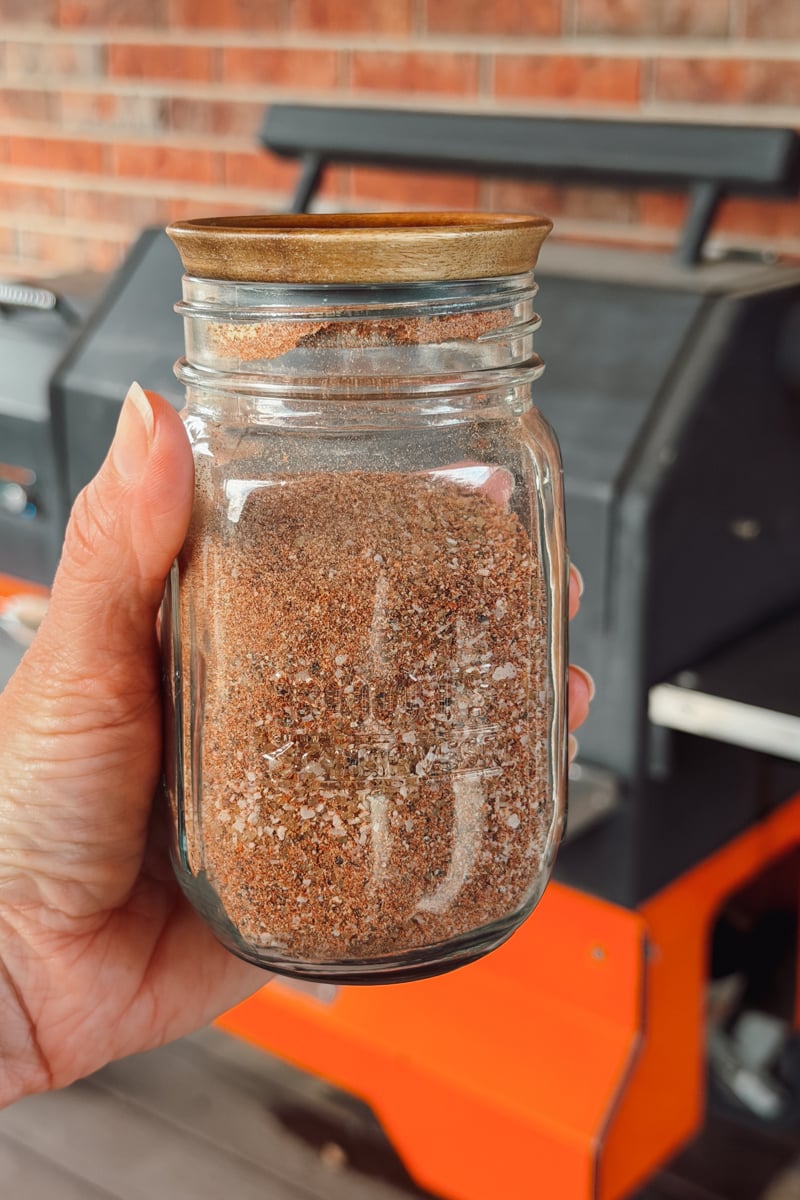
Why You'll Love This Chicken Dry Rub
- Family-friendly flavor. It's smoky, savory and slightly sweet without being too spicy for the kids.
- Quick and easy. Measure the ingredients into a jar, give it a good shake and you're done.
- Versatile. Use it on chicken breasts, thighs, wings, drumsticks, whole chickens, roasted vegetables or pork.
- Convenient. Making a bulk batch of homemade chicken seasoning means fewer ingredients to measure when it's time to make dinner.
- Customizable. Like your chicken a little spicier or smokier? It's easy to adjust the blend to suit your tastes.
Ingredients
Most of these ingredients are probably already in your spice cabinet. I buy many of my spices in bulk, especially the ones I use frequently in homemade seasoning blends.
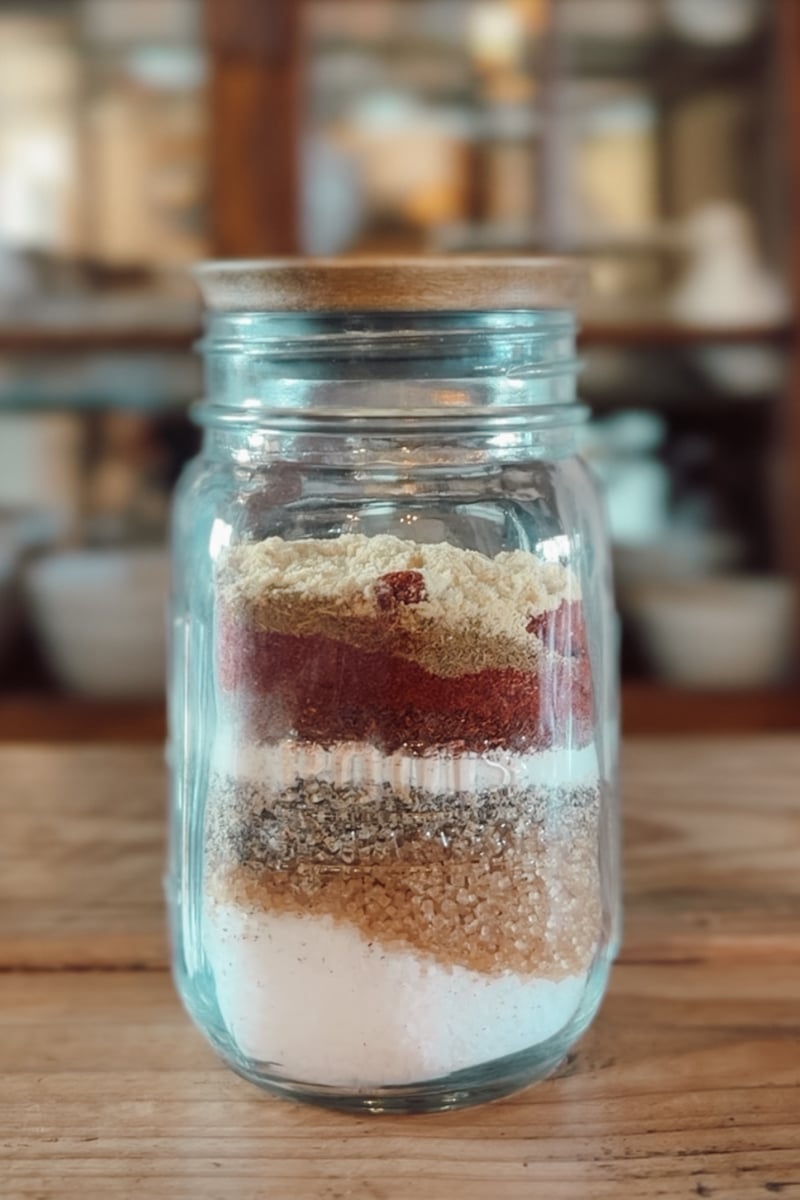
- Kosher salt: I like using additive-free kosher salt or mineral salt, such as Redmond Real Salt. Salt varies in density depending on the size of the crystals, so finer salt may require a smaller amount.
- Turbinado sugar: My favorite sugar for homemade dry rubs. I love its slightly coarse texture and subtle molasses flavor. Brown sugar can be substituted if that's what you have.
- Black pepper: Adds a little bite and balances the sweetness of the sugar.
- Garlic powder and onion powder: These give the seasoning its savory base.
- Chili powder: I buy mine in bulk from Azure Standard. Use a mild, American-style chili powder blend rather than pure ground hot chile peppers.
- Smoked paprika: Gives the chicken a beautiful color and smoky flavor, even when you're cooking it in the oven.
- Ground cumin: Adds a warm, earthy flavor that goes especially well with smoked paprika and chili powder.
- Ground mustard: Adds a little tang and rounds out the flavor of the seasoning.
See the recipe card below for exact measurements.
How to Make Homemade Chicken Seasoning
- Step 1: Measure all of the ingredients into a clean, dry pint Mason jar or another airtight container.
- Step 2: Secure the lid and shake until the seasonings are evenly combined.
That's it! The recipe doesn't quite fill a pint jar, which leaves plenty of room to shake everything together.
Recipe
The Best Chicken Dry Rub
Equipment
- measuring cups & spoons
- pint mason jar with lid or other airtight container
Ingredients
- ¼ cup kosher salt
- ¼ cup turbinado sugar
- 2 tablespoons chili powder
- 2 tablespoons ground black pepper
- 2 tablespoons smoked paprika
- 1 tablespoon garlic powder
- 1 tablespoon ground cumin
- 1 tablespoon onion powder
- 1 teaspoon ground mustard
Instructions
- Measure all of the ingredients into a clean, dry pint Mason jar. Secure the lid and shake until the spices are evenly combined. Store tightly covered in a cool, dry pantry or spice cabinet.
Notes
- Salt: Use kosher salt or additive-free mineral salt. If using finely ground salt, consider reducing the amount since finer salt can pack more densely into a measuring cup.
- Sugar: Brown sugar can be substituted for turbinado sugar.
- Chili powder: Use a mild chili powder seasoning blend rather than pure ground hot chile peppers.
- Spicy variation: Add ½–1 teaspoon of cayenne pepper.
- Smoky cocoa variation: Add 1 teaspoon of unsweetened cocoa powder.
- Storage: Keep in an airtight container and use within approximately six months for the best flavor. Shake before using.
- Cooking tip: The sugar in this seasoning can scorch over high heat. Adjust the heat as needed when grilling or pan-searing chicken.
- Additional salt: This blend already contains salt, so you generally won't need to salt the meat separately.
Nutrition
How Much Dry Rub Should I Use Per Pound of Chicken?
I typically use about 1–2 tablespoons of chicken dry rub per pound of meat. Start with the smaller amount, especially if you're using a finer salt, and add more if you prefer a heavier coating.
I'm pretty generous with this seasoning. Think more along the lines of a blackening seasoning than a light sprinkle of salt and pepper. I love the flavorful crust it creates as the chicken cooks.
This seasoning already contains salt, so there's no need to salt the chicken separately.
How to Apply Dry Rub to Chicken
- Pat the chicken dry. Use paper towels to remove excess moisture from the surface of the meat.
- Coat with oil. Rub the chicken with a thin layer of olive oil or avocado oil. This helps the seasoning stick to the meat.
- Apply the dry rub. Sprinkle the seasoning evenly over both sides of the chicken and use your hands to gently press it into the meat.
- Cook the chicken. Bake, grill, smoke or roast the chicken according to your chosen recipe.
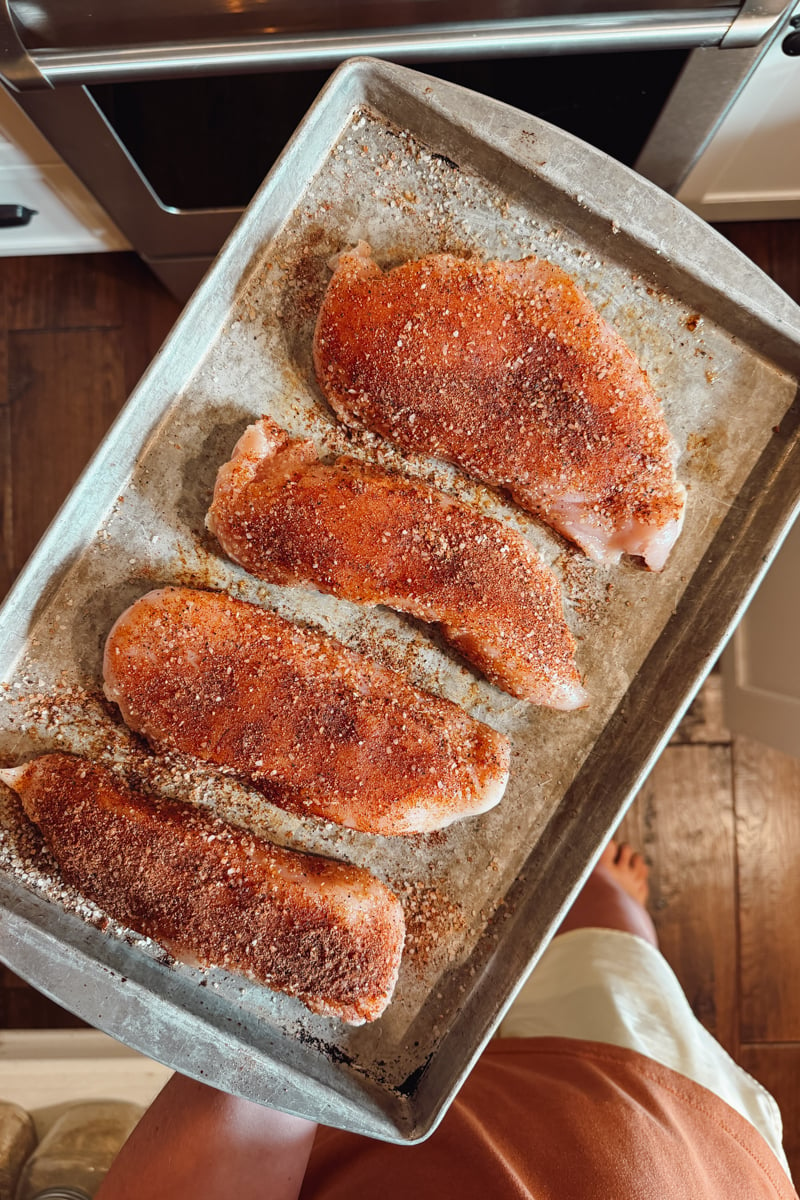
You can cook the chicken immediately after seasoning it, which is what I usually do. If you want to prep dinner ahead of time, cover the seasoned chicken and refrigerate it until you're ready to cook.
Cooking tip: Because this dry rub contains sugar, it can darken quickly over high heat. If you're grilling or searing chicken in a skillet, keep an eye on the seasoning and adjust the heat as needed to prevent it from burning.
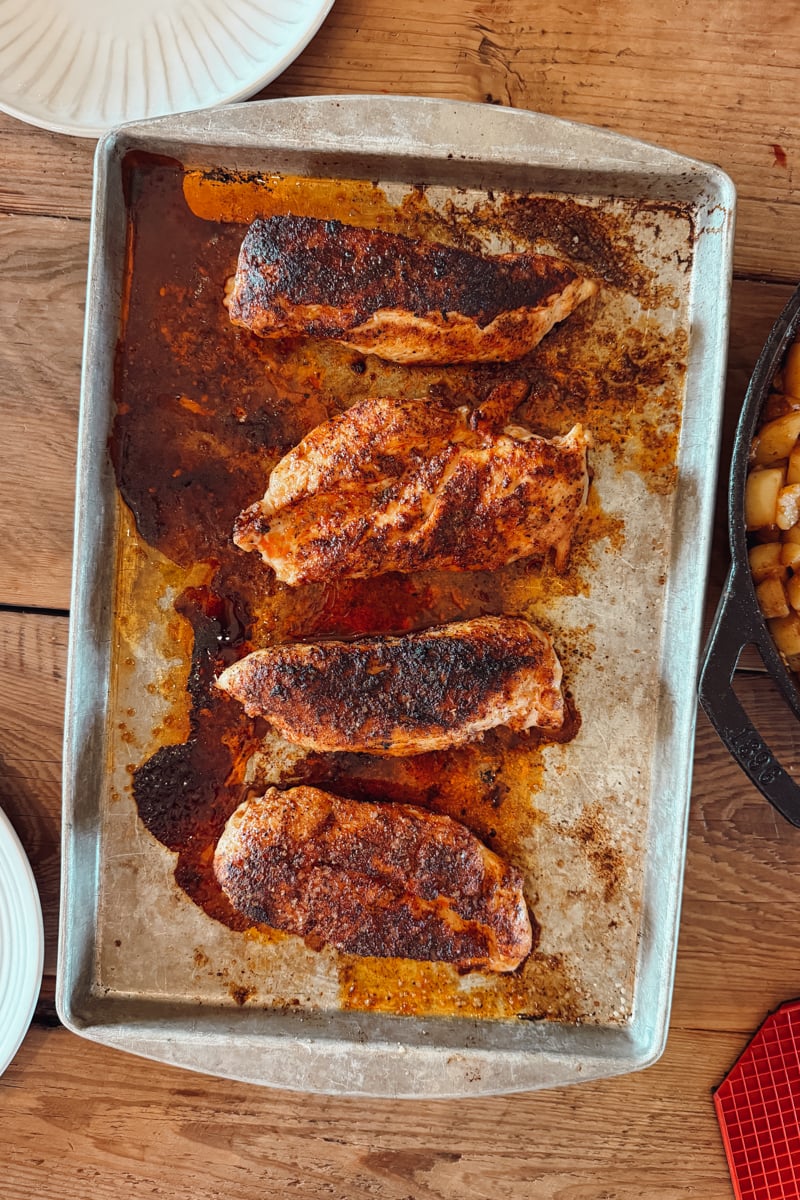
My Favorite Ways to Use Chicken Dry Rub
This is the same seasoning I use whether I'm cooking a few boneless, skinless chicken breasts for a quick dinner or roasting a whole chicken.
It's particularly delicious on:
- Baked or grilled chicken breasts
- Bone-in chicken thighs and drumsticks
- Chicken wings
- Chicken leg quarters
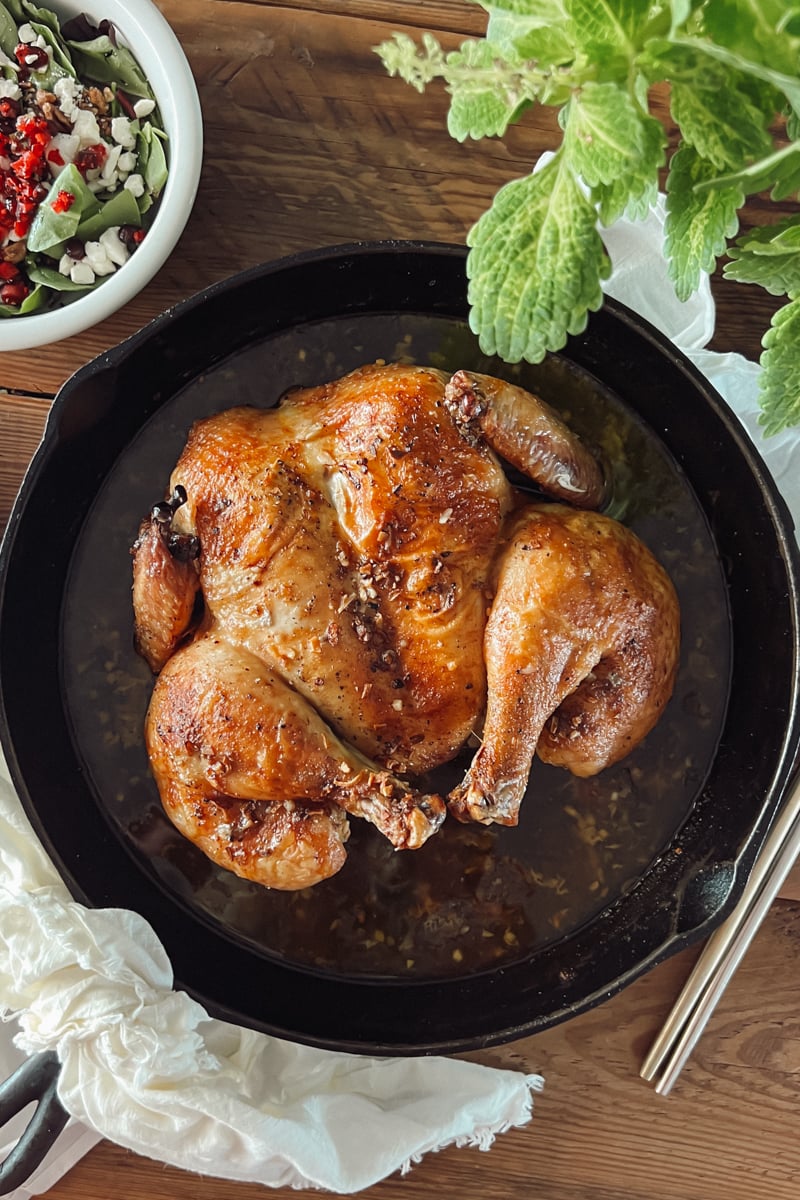
- Whole roasted or spatchcock chicken (see picture below)
- Smoked chicken
- Pork chops and pork loin
- Hashbrowns and roasted potatoes
The other night I pulled three enormous chicken leg quarters out of the freezer from the meat birds we raised. I generously coated them with this dry rub, seared them skin-side down in homemade butter in my cast iron skillet and then flipped them over to finish roasting uncovered in a 375°F oven.
While chicken is safe to eat when it reaches an internal temperature of 165°F, I prefer to cook bone-in thighs and drumsticks to about 180°F. I find the meat is still juicy but much more tender at this temperature.
The whole dinner took about 55 minutes from the time I started prepping the chicken until we were eating. Nothing fancy, just really good chicken!
Chicken Dry Rub Variations
One of the nice things about making your own seasoning blends is that you can change things up depending on what you're cooking.
- Smoky cocoa dry rub: Add 1 teaspoon of unsweetened cocoa powder to the full batch. I tried this on a whim and was surprised by how delicious it was! The cocoa adds an earthy richness that complements the smoked paprika and cumin. It doesn't taste like chocolate, I promise.
- Spicy chicken dry rub: Add ½–1 teaspoon of cayenne pepper to the full batch, depending on how much heat you like.
- Extra smoky dry rub: Replace 1 teaspoon of the chili powder with ground chipotle powder for a deeper smoky flavor and a little extra heat.
How to Store Homemade Chicken Seasoning
Store your homemade chicken dry rub in an airtight container in a cool, dry place, such as a pantry or spice cabinet.
I keep mine in a pint Mason jar and give it a good shake before using it, since the different spices can settle as the jar sits.
For the best flavor, start with fresh, fragrant spices and aim to use the blend within about six months. At our house, I usually refill the jar every few months.
When seasoning raw chicken, pour or shake out what you need rather than reaching into the jar with your hands. Discard any leftover seasoning that has come into contact with raw meat.
What to Serve With Seasoned Chicken
One of my favorite easy dinners is chicken roasted in a cast iron skillet with butter, a hearty side dish and something fresh from the garden. Here are a few of my favorite recipes to round out the meal!
- Old-Fashioned Potato Salad
- Tomato Cucumber Feta Salad
- Creamy Cucumber and Onion Salad
- Homemade Sourdough Sandwich Bread
- Sourdough Garlic Knots
- Fresh Cranberry Salsa
Frequently Asked Questions
This is a mild, family-friendly chicken seasoning. It has a savory, smoky and slightly sweet flavor with a little warmth from the black pepper and chili powder. If you prefer a spicy rub, add cayenne pepper or ground chipotle powder.
Absolutely! I use this same dry rub on pork chops and pork loin. The combination of turbinado sugar, smoked paprika, garlic and cumin works especially well with pork.
Yes. Brown sugar works well in this recipe, although it has more moisture and may cause the seasoning to clump during storage. Break up any clumps before using it.
You don't need to let it sit at all. I frequently season my chicken immediately before cooking. You can also season it several hours ahead of time and keep it covered in the refrigerator until you're ready to cook.
Yes, but you'll miss out on some of the smoky flavor. I prefer smoked paprika because it gives the chicken that little hint of barbecue flavor even when I'm cooking indoors.
Of course! If you cook chicken frequently or like to make homemade seasoning blends ahead of time, simply double the ingredients and use a larger airtight container.
More From-Scratch Recipes
If you enjoy making your own pantry staples, be sure to explore my other homemade recipes. Having a few basics ready to go makes cooking from scratch so much easier on busy weeknights.




Comments
No Comments