
How to Cook Venison Steaks (Juicy & Tender Every Time)
If you're wondering how to cook venison steaks so they are juicy, tender, and full of flavor, the reverse sear method is our favorite way to do it. Slowly bringing the steaks up to temperature before finishing them with a hot sear gives you a beautifully browned crust without overcooking the center.
It's the same method we use for beef, elk, and venison steaks, and it works beautifully on the pellet grill. I'll walk you through our favorite reverse sear method, plus a few other ways to cook deer steaks if you don't have a grill.

On our Kansas homestead, venison isn't just another protein. It's a way of life. My husband Aaron and our three boys are avid hunters, bringing home whitetail deer, elk, and even antelope. We've spent nearly two decades hunting, processing, and cooking wild game, and we've learned a thing or two about making the most of every cut.
This recipe is Aaron's top-secret (ha!) method he uses on the pellet grill after every hunt. It's simple, reliable, and especially good for lean cuts of venison that can easily become tough or dry when overcooked.
Below, I'll show you how to choose the best cuts of venison, prepare your steaks for cooking, and get that perfectly seared crust without overcooking the center. I'll also share a few alternative cooking methods if you don't have a pellet grill.

Venison Cuts of Meat Cheat Sheet
Not all cuts of venison cook the same way! Some are naturally tender and perfect for grilling or pan-searing, while tougher cuts benefit from slow cooking. Here's a quick guide to the different cuts of deer meat and the best ways to prepare them.
- Hindquarter Steak (Hind Leg): Cut from the back leg of the deer, above the hock. The hindquarter contains several muscles that can be divided into steaks or roasts. Tender cuts work well for grilling, while tougher cuts benefit from marinating or slow cooking.
- Backstrap (Loin): Found along the spine on the outside of the ribcage. Everyone does a happy dance when we're cooking backstrap for supper! This long, tender muscle is one of the most prized cuts of venison and is perfect for reverse searing, grilling, or pan-searing.
- Tenderloin: Located inside the body cavity, beneath the spine. Venison tenderloin is extremely tender and lean, sometimes called venison fillet. It's best cooked quickly over high heat to avoid drying it out.
- Sirloin: Located in the upper hindquarter near the hip. This versatile cut can be sliced into venison steaks or prepared as a roast.
- Round Steak: Cut from the hindquarter. Venison round steak is lean and flavorful but can be tougher than backstrap or tenderloin. It works well when sliced thinly, marinated, and cooked quickly.
- Chuck Steak (Shoulder): Cut from the front shoulder. This is a tougher cut that benefits from slow cooking, braising, or pressure cooking. We like to cut it into one-inch cubes, sear the edges, and pressure cook it in the Instant Pot with a little liquid and seasonings until it's melt-in-your-mouth tender.
- Flank Steak: Found along the lower abdominal area. This thin, lean cut benefits from marinating and quick cooking. Slice it thinly against the grain for fajitas or stir-fries. It's also really good as leftovers!
- Neck Roast: Cut from the neck of the deer. This hardworking muscle contains connective tissue that breaks down during slow cooking, making it perfect for pot roasts and shredded venison.

How to Prepare Venison Steaks for Cooking
A little preparation goes a long way when cooking venison steaks. Whether you're using the reverse sear method, grilling, or cooking in a cast iron skillet, these simple steps will help you get the best results.
- Thaw frozen venison steaks. If your steaks are frozen, thaw them in the refrigerator overnight. Larger or thicker cuts may need additional time. Starting with fully thawed meat helps the steaks cook more evenly.
- Trim away silver skin. Place the venison on a cutting board and use a sharp knife to remove any silver skin or tough connective tissue. Trim away any areas affected by freezer burn, too.
- Season the steaks. We like to keep things simple with salt, black pepper, and garlic powder. Season both sides evenly, or add your favorite herbs and spices.
- Marinate if desired. Tender cuts like backstrap and tenderloin don't need a marinade, but marinating can add flavor to other cuts of deer meat. You can use your favorite marinade or try my All Purpose Venison Marinade, pictured below. Refrigerate the steaks in the marinade for 30 minutes or up to overnight, depending on the cut and ingredients.
- Preheat your cooking surface. If you're reverse searing, preheat your pellet grill to the temperature specified in the recipe. For pan-searing, heat a cast iron skillet over medium-high heat until it's hot enough to develop a good crust.
- Pat the steaks dry. Just before cooking, use paper towels to remove excess surface moisture, especially if you've marinated the meat. A dry surface helps the steaks develop a beautiful browned crust instead of steaming.
Choosing the Best Way to Cook Venison Steaks
Venison is naturally lean, so choosing the right cooking method makes a big difference in how tender and juicy your steaks turn out. These are our three favorite methods:
- Reverse Searing: Our favorite way to cook venison steaks! This method starts by slowly cooking the meat over low heat, then finishing it with a quick, high-temperature sear. The result is a beautifully browned crust and an evenly cooked center without overcooking the edges. It's especially good for thicker steaks and backstrap.
- Grilling: Cooking venison steaks over direct heat is a great option, especially for thinner cuts. Preheat the grill and cook the steaks over medium-high to high heat, flipping as needed, until they reach your desired internal temperature. Watch them closely because lean venison can dry out quickly.
- Pan Searing: A hot cast iron skillet is one of the easiest ways to cook deer steaks indoors. Preheat the skillet, add a little cooking fat, and sear the steaks on both sides until a golden-brown crust forms. For extra flavor, add butter, garlic, and fresh herbs toward the end of cooking and spoon the melted butter over the steaks.

How to Cook Venison Steaks: Aaron's Reverse Sear Method
This is our favorite way to cook venison steaks on the pellet grill! Cooking the meat slowly over low heat before finishing it with a hot sear gives you a flavorful crust and a tender, juicy center.
- Preheat the pellet grill. Set your grill to 200°F.
- Season the venison steaks. Rub both sides lightly with olive oil, then season generously with salt, black pepper, and garlic powder.
- Cook low and slow. Place the steaks directly on the grill grates and cook until the internal temperature reaches 100°F. Use an instant-read meat thermometer to check the thickest part of each steak.
- Increase the grill temperature. Remove the steaks from the grill while you increase the heat to 350–400°F.
- Sear the steaks. Return the venison to the hot grill and sear for approximately 1–2 minutes per side, until a nicely browned crust forms and the steaks reach your preferred internal temperature. Aaron typically cooks ours to around 135°F, keeping in mind that the temperature may rise a few degrees as the meat rests.
- Rest before serving. Transfer the steaks to a cutting board, tent loosely with foil, and let them rest for 5–10 minutes before slicing.
Food safety note: The USDA recommends cooking venison steaks to an internal temperature of 145°F, followed by a 3-minute rest.

How to Grill Venison Steaks Without a Smoker
Don't have a pellet grill? You can still make delicious, juicy venison steaks on a regular gas or charcoal grill. Here's how:
- Preheat the grill. Heat your grill over medium-high to high heat for about 10–15 minutes. A properly preheated grill helps create a beautiful sear and prevents sticking.
- Oil the grill grates. Clean the grates and lightly oil them before adding the steaks. You can also brush the venison steaks with a little olive oil before grilling.
- Grill the venison steaks. Place the seasoned or marinated steaks directly over the heat. Cook for approximately 3–4 minutes per side, depending on the thickness of the meat. Use an instant-read thermometer to check the internal temperature rather than relying on cooking time alone. The steaks pictured in this post were cooked to medium-rare, which is how our family prefers them.
- Let the steaks rest. Remove the venison from the grill, tent loosely with foil, and let it rest for 5–10 minutes before slicing. This gives the juices time to redistribute and helps keep the meat tender.
How to Pan Sear Venison Steaks in a Cast Iron Skillet
Cooking venison steaks in a cast iron skillet is a great option when you don't have a grill. A hot pan creates a beautiful browned crust while keeping the inside tender and juicy.
- Preheat the skillet. Heat a cast iron skillet or heavy-bottomed pan over medium-high heat. Allow the pan to get hot before adding the steaks so they develop a good sear.
- Add cooking fat. Add a small amount of avocado oil, ghee, or another high-heat cooking fat to the skillet. If you want extra flavor, add a tablespoon of homemade butter during the last minute or two of cooking. Yum!
- Sear the venison steaks. Place the seasoned steaks in the hot skillet and cook undisturbed for approximately 3–4 minutes per side, depending on their thickness. This allows a flavorful, golden-brown crust to develop. For extra flavor, add a few smashed garlic cloves and fresh rosemary or thyme with the butter, then spoon the melted butter over the steaks.
- Check for doneness. Use an instant-read meat thermometer to check the thickest part of each steak. For our preferred doneness, we aim for approximately 135°F, keeping in mind that the temperature may rise a few degrees while resting. Adjust the cooking time based on the thickness of your venison steaks.
- Let the steaks rest. Transfer the steaks to a cutting board, tent loosely with foil, and rest for 5–10 minutes before slicing. Slice against the grain for the most tender results.

Optional: Marinating Venison Steaks
Venison steaks don't need to be marinated, especially tender cuts like backstrap and tenderloin. But a simple marinade can add extra flavor, and it's a great way to change things up! Here are two of our favorites.
Option 1: Garlic and Honey Venison Marinade
- ¼ cup olive oil
- 2 tablespoons soy sauce
- 2 cloves garlic, minced
- 1 tablespoon honey
Option 2: Garlic and Herb Venison Marinade
- ¼ cup olive oil
- 2 cloves garlic, minced
- Fresh rosemary or thyme, chopped
- Salt and black pepper, to taste
- A splash of Worcestershire sauce
How to Marinate Venison Steaks
- Whisk together the ingredients for your chosen marinade in a small bowl.
- Place the venison steaks in a resealable bag or shallow dish and pour the marinade over the meat.
- Seal the bag or cover the dish, then turn the steaks to coat them evenly.
- Refrigerate for at least 30 minutes, although I prefer about 2 hours for more flavor.
- Remove the steaks from the marinade and pat them dry with paper towels before cooking to help develop a good sear.

Frequently Asked Questions
Overcooking is one of the most common reasons venison steaks turn out tough. Venison is naturally lean, so it can dry out quickly. The cut of meat also matters! Backstrap and tenderloin are naturally tender, while tougher cuts may need marinating or slow cooking. Always slice your steaks against the grain for the best texture.
Start by trimming away silver skin, excess fat, and connective tissue. Proper field dressing and handling also make a big difference in flavor. If you prefer a milder taste, try marinating your venison steaks in buttermilk or a marinade with vinegar, citrus, or herbs.
We usually keep things simple with olive oil, garlic, and fresh herbs. Soy sauce, Worcestershire sauce, and a little honey also add great flavor. Tender cuts like backstrap don't necessarily need a marinade.
Store leftover cooked venison steaks in an airtight container in the refrigerator for 3–4 days. Slice them thinly for steak salads, tacos, sandwiches, or a quick lunch the next day.
Not necessarily! Tender cuts like backstrap and tenderloin are delicious with just salt, pepper, and garlic powder. Marinating is optional and can add flavor, especially to less tender cuts.
Cooking time depends on the thickness of the steak and the method you're using. For pan-searing or grilling, steaks often take approximately 3–4 minutes per side. Reverse searing takes longer because the steaks are cooked slowly before finishing over high heat. Always check the internal temperature rather than relying on cooking time alone.
Our family prefers venison steaks cooked to approximately 135°F, keeping in mind that the internal temperature can rise a few degrees during resting. For food safety, the USDA recommends cooking venison steaks to 145°F followed by a 3-minute rest. Use an instant-read thermometer for the most accurate results.
More of Our Favorite Venison Recipes
Alright, friend! I hope this guide has inspired you to thaw out some venison steaks and get cooking this weekend! And if your freezer looks anything like ours, you've probably got plenty of ground venison to use up, too.
Here are a few of our favorite wild game recipes, or you can browse my entire collection of venison recipes.
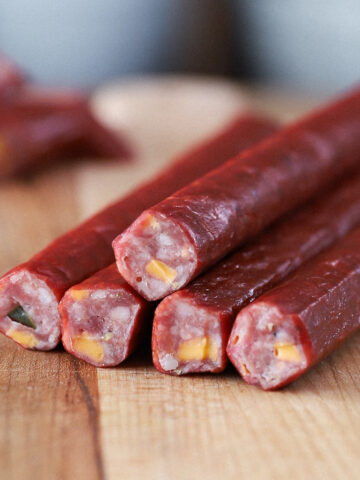
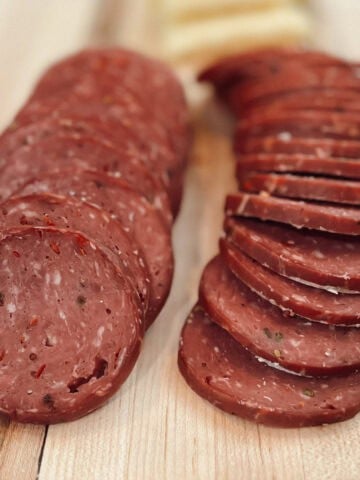
- Smoked Venison Summer Sausage: One of my most popular Pinterest recipes! Aaron spent nearly 15 years testing and perfecting this homemade summer sausage, and it's a crowd-pleaser every time.
- Juicy Venison Burgers: I know everyone likes to throw around the word "best," but this one is legit. We're adding bacon, so you know it's going to be good!
- Venison Breakfast Casserole: Just like Grandma made! Loaded with eggs, sausage, potatoes, and cheese, this hearty breakfast casserole is perfect for meal prepping.
- Venison Goulash: Another Grandma-inspired recipe. I grew up eating goulash weekly, and after we got married, I started making it with ground elk or deer instead of beef. It's simple, budget-friendly, and makes great leftovers.
- Homemade Venison Hamburger Helper: Did someone say another Grandma recipe? Anotha one! (Please tell me you read that in DJ Khaled's voice.) It's better than the boxed version and easy to customize with whatever vegetables your family will actually eat.
How do you like to cook your venison steaks? Leave a comment below and tell me your favorite method! I'd love to hear what works for your family.

Recipe

How to Cook Venison Steaks
Equipment
- grill, pan or oven dish
- pellet grill
- tongs
Ingredients
- 1½ pounds venison steaks
- 1 tablespoon olive oil
- pepper to taste
- salt to taste
- garlic powder to taste
Optional All-Purpose Venison Marinade
- ¼ cup olive oil
- ¼ cup lemon juice
- ½ lemon large
- ¼ cup red wine vinegar
- 3 cloves garlic
- 1 tablespoon dijon mustard
- ½ teaspoon red pepper flakes
- 1 teaspoon salt
Instructions
Prepare the Venison Steaks
- Thaw the steaks. If frozen, thaw the venison steaks in the refrigerator overnight or until completely thawed.
- Trim the meat. Use a sharp knife to remove any silver skin, tough connective tissue, or freezer-burned areas.
- Season the steaks. Rub both sides lightly with olive oil, then season with salt, black pepper, and garlic powder. If using a marinade, refrigerate the steaks in the marinade for at least 30 minutes, preferably about 2 hours. Pat dry before cooking.
Optional Marinade Instructions
- Prepare the meat by removing any connective tissue or silver skin. Slice it to desired pieces or leave whole. If leaving in large pieces, poke several holes in the meat using a fork to allow the marinade to penetrate. Peel and mince the garlic. If using fresh herbs, finely chop. Combine all ingredients but the meat in a large bowl and mix thoroughly. Let the meat marinate for 30 minutes or up to 2 hours in the refrigerator.
Aaron's Pellet Grill Reverse Sear Method
- Preheat the pellet grill. Set the grill to 200°F.
- Cook the venison steaks. Place the seasoned steaks directly on the grill grates. Cook until the internal temperature reaches 100°F, checking the thickest part with an instant-read thermometer.
- Increase the heat. Remove the steaks while increasing the grill temperature to 350–400°F.
- Sear the steaks. Return the venison to the hot grill and sear for approximately 1–2 minutes per side, or until a browned crust develops and the steaks reach your desired internal temperature. Aaron typically cooks ours to approximately 135°F.
- Rest and serve. Transfer the steaks to a cutting board, tent loosely with foil, and rest for 5–10 minutes before slicing against the grain.
Notes
- Backstrap, tenderloin, and other tender cuts work especially well with these methods.
- Use an instant-read thermometer instead of relying on cooking time alone.
- Venison is naturally lean and can become dry when overcooked.
- Slice the cooked steaks against the grain for the most tender results.
- Marinating is optional. Tender cuts are delicious with just salt, pepper, and garlic powder.
Nutrition


We just made this tonight. It turned out perfect. We has a venison tenderloin from a deer this past fall. I always smoke them, but wanted something different. The whole family loved it! Thank you for sharing.
Hi Carrie! I'm so glad you liked it. I agree, smoked tenderloin is delicious. Thanks for leaving a review!
- Meg