
Homemade Jalapeño Cheddar Snack Sticks (Pork, Venison, Beef or a Combo!)
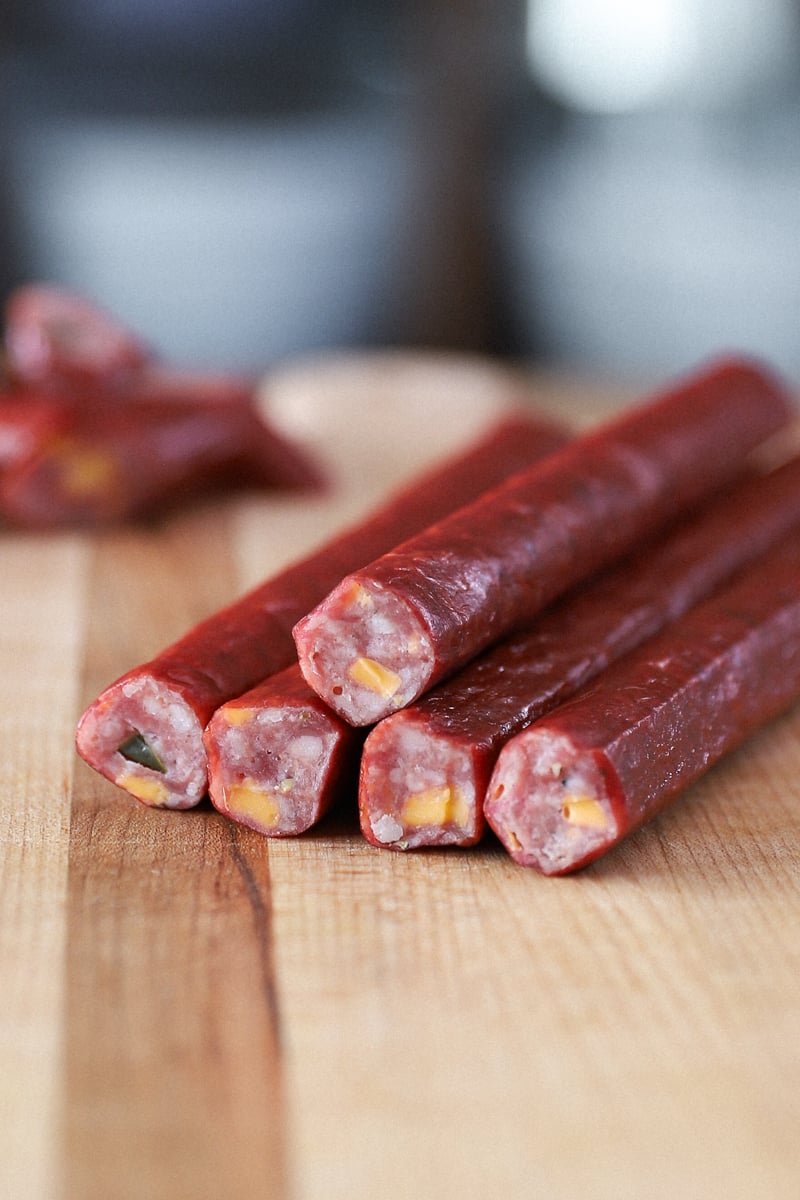
These homemade Jalapeño Cheddar Snack Sticks are smoky, savory, just spicy enough, and packed with real cheese and peppers. This is the same method we use at home for pork, venison, beef or any combination of the three, and it works every single time.
If you've ever wanted to make snack sticks that taste great and don't dry out in the smoker, this is the recipe. And I'm not kidding when I say that our snack sticks have been extensively tested... Aaron has an actual spreadsheet on his computer that he makes notes, adjustments, and scales the batches to size with the click of a button. These meat sticks are the result of years of testing and refining.
This is a scalable large batch recipe (20 pounds), perfect for filling the freezer, fueling a hungry kid on the ride home from practice, or stocking the fridge with a protein you're proud of.
This recipe is written for home processors who want consistent, professional-quality snack sticks without guesswork—whether you’re brand new or already processing your own meat.
Jump to:
- Why This Recipe Works
- Equipment
- Ingredients for Snack Sticks
- How to Adjust this Recipe for Pork, Venison or Beef
- Common Snack Stick Mistakes to Avoid
- How to Make Homemade Snack Sticks
- Optional Extended Fermentation
- How to Smoke Jalapeño Cheddar Snack Sticks
- How to Store Snack Sticks
- Frequently Asked Questions
- That's a Wrap!
- Related Recipes
- Recipe
- Comments
As an amazon associate, this post contains affiliate links, which means I make a small commission at no extra cost to you. See my full disclosure here.
Why This Recipe Works
- Uses encapsulated citric acid for a classic snack stick taste without long fermentation times
- Develops proper myosin binding so the sticks stay juicy and cohesive
- Works with pork, venison, beef, or blends without changing the seasoning ratios
- Uses high-temperature cheddar so the cheese doesn’t melt out
- Designed for smoking immediately or after a short rest—your call
Equipment
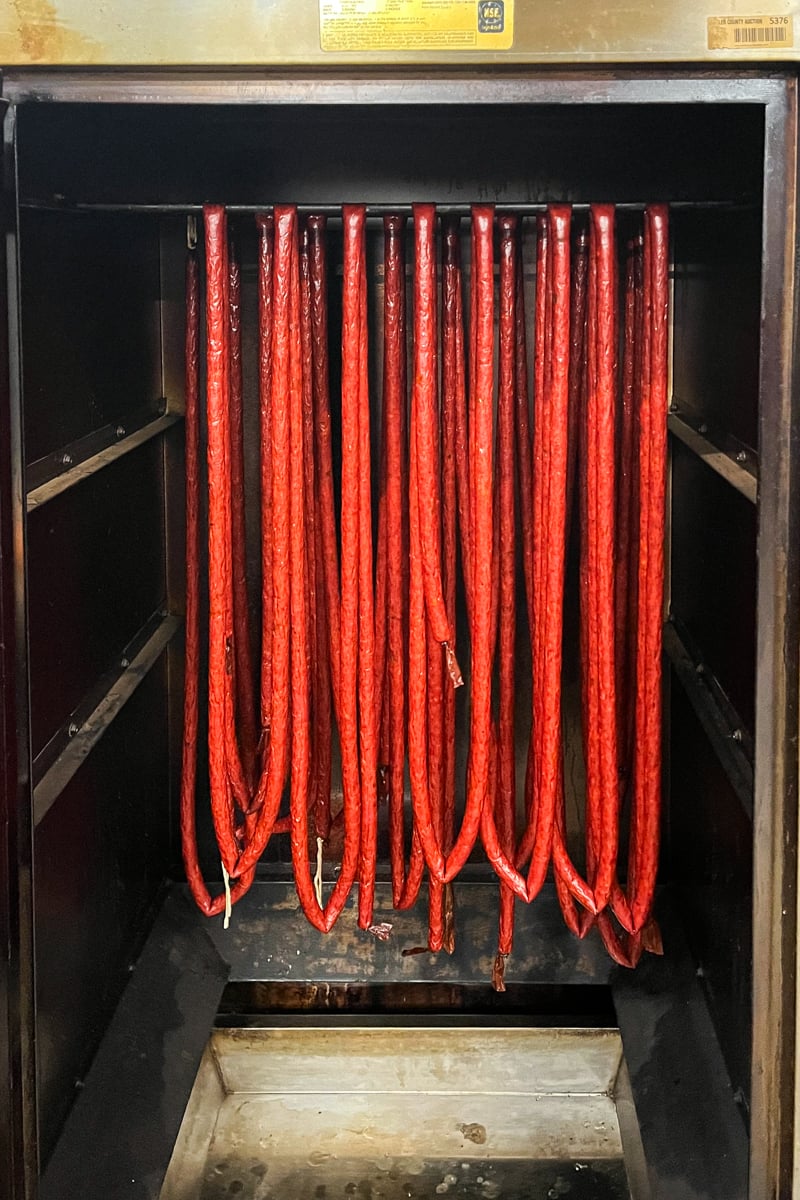
- Smoker - Our upright gas smoker has a bit of history, it came from a Chinese restaurant that went out of business and sold off their kitchen equipment at auction. It holds steady temperatures and has plenty of hanging space, which makes it ideal for snack sticks. That said, you don’t need an upright smoker for this recipe. Any smoker that can maintain low, consistent heat and gradually increase temperature will work well, including pellet smokers, electric cabinet smokers, or a well-managed offset. Temperature control matters far more than the smoker itself.
- Pellet smoker tubes - These are optional, but incredibly beneficial. We started adding two tubes filled with a wood (like pecan) to the bottom of the smoker. We've also used a hickory blend, and it was good, but the pecan added the best flavor.
- Meat mixer - We have this one, but also like this one.
- Sausage stuffer - Our sausage game is pretty serious, so we have a Waltons electric stuffer. For a more economical machine, try out something like this one. Fit the stuffer with a 12mm stuffing tube.
- 19mm collagen casings - These casings are the standard size for snack sticks and give you that classic slim, uniform shape. Collagen casings are easy to work with, don’t require soaking, and hold up well during smoking. They also dry evenly and give the snack sticks a nice bite without being tough, which makes them ideal for beginners and large batches alike.
- Digital probe thermometer - It's very helpful to have a thermometer that can be left in the smoker and checked by wifi or bluetooth. This minimizes the amount of times the smoker door is opened, which helps hold a consistent temperature.
Ingredients for Snack Sticks
- Ground meat - An 80/20 meat-to-fat ratio gives you juicy snack sticks that won’t dry out in the smoker. Pork binds especially well, which makes it ideal on its own or blended with leaner meats like venison or beef. See note below for meat variations.
- Salt - Salt helps extract myosin, the natural protein that binds the meat together. Use non-iodized salt for this recipe, such as kosher salt.
- Black pepper, onion powder, garlic powder - These build the savory backbone of the seasoning without overpowering the meat.
- Sugar - This balances the salt and spice and softens the overall flavor. It also plays nicely with smoke and helps round out the overall flavor.
- Cure #1 - Cure #1 is essential for safety, prevents harmful bacteria and preserves the pink color. This recipe is carefully calibrated for the correct amount, don't skip or substitute it.
- Ascorbic acid - Ascorbic acid helps stabilize color and speeds up the curing reaction. It also improves texture and gives the finished snack sticks a clean, bright bite without tasting acidic.
- Sure Gel Meat Binder - This keeps the snack sticks from shrinking excessively or drying out, especially in a long smoke. This is NOT the same kind of sure gel that you'll find in the canning section.
- Water - It helps dissolve the seasonings, improves texture, and keeps the final product juicy. Added liquid is critical for proper mixing, stuffing and protein extraction.
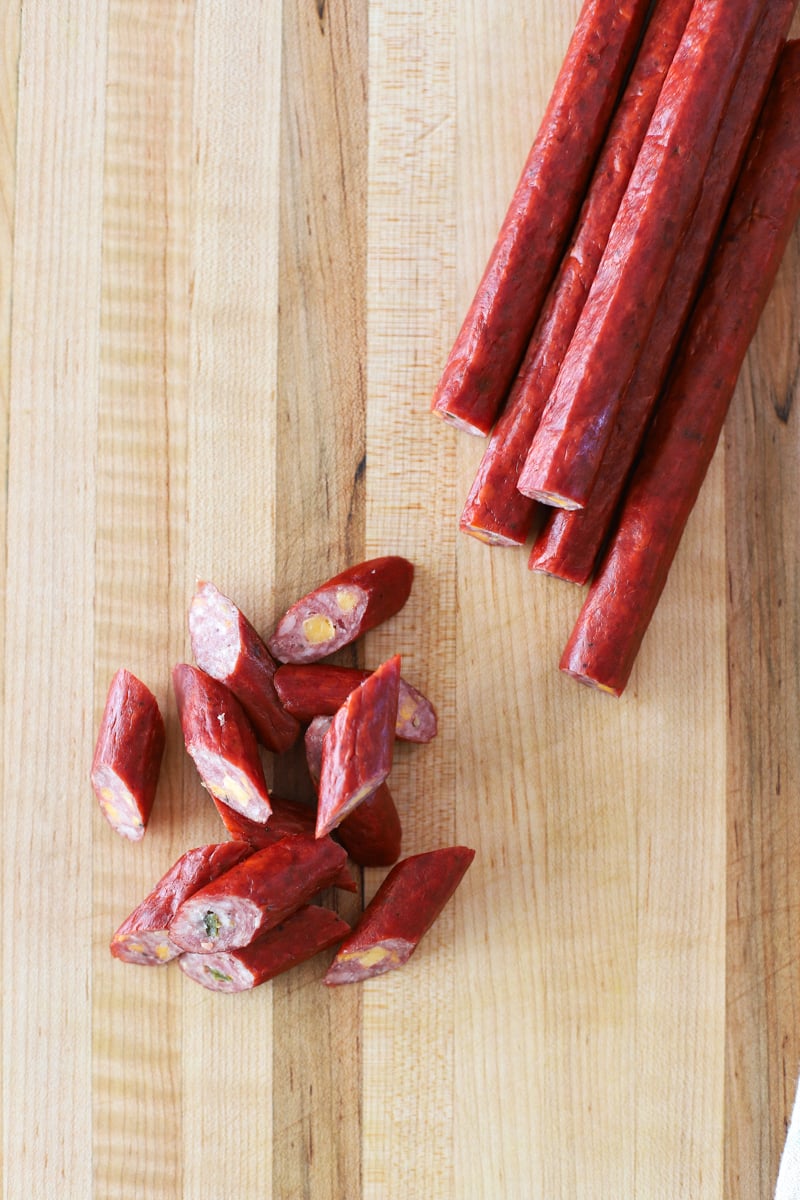
- Fresh jalapeño peppers - These bring real heat and fresh pepper flavor, not just spice. I like to use the fine setting on our food chopper to quickly dice the peppers into tiny, uniform squares.
- High temperature cheddar cheese - High-temp cheddar is designed to hold its shape, giving you pockets of creamy cheese without greasy leaks or voids.
- Encapsulated citric acid - Look for encapsulated citric acid sold specifically for sausage making—regular citric acid activates too quickly and can make the meat crumbly. Encapsulated citric acid is coated so it doesn’t activate until the sausage heats during smoking.
How to Adjust this Recipe for Pork, Venison or Beef
This recipe works well with pork, venison, beef, or a combination of the three. The key factor to pay attention to is fat content, which affects moisture, texture, and flavor.
Venison
Venison is very lean, so we recommend blending it with pork fat for best results. Our go-to ratio is 80% venison with 20% pork fat (such as ground Boston butt), though an even 50:50 blend also works well and produces a slightly juicier stick.
Ground Beef
You can use 80/20 ground beef with excellent results. We’ve made these snack sticks with grass-fed ground beef for a friend with a pork allergy, and they were some of the best we’ve ever had. Because beef already contains sufficient fat, no additional adjustments are needed.
Pork
This recipe works beautifully with 80/20 ground pork on its own. Pork binds well, stays juicy, and delivers a classic snack stick texture. The snack sticks shown in these photos were made with pork from our kune kune pigs.
How to Make Homemade Snack Sticks
- In a bag or bowl, mix together the dry ingredients: salt, black pepper, onion powder, garlic powder, sugar, cure #1, ascorbic acid, and Sure Gel Meat Binder.
- Add the ground meat to a mixer and begin mixing. Sprinkle in the seasoning blend and slowly add ½ of the water.
- Mix thoroughly for 5 minutes. Add the remaining water.
- Continue mixing, add the jalapeños and cheddar crumbles. Mix thoroughly for 5 more minutes, or until the meat becomes sticky and begins pulling away from the sides of the bowl.
- Add the encapsulated citric acid and mix 1–2 minutes more, just until evenly distributed. Do not overmix at this stage.
- Load the sausage stuffer, packing each handful firmly, to push out any air in the meat. Using a 12mm stuffing tube, slide a 19mm collagen casing to the end. Stuff the casings slowly and evenly, keeping steady pressure to avoid air pockets.
- Secure the ends with knots, hog rings or butcher twine.
Optional Extended Fermentation
The encapsulated citric acid in this recipe allows us to immediately smoke the snack sticks, or you can choose to let the snack sticks rest for 12-36 hours. Your call, both are safe methods. We generally smoke ours immediately, or let it hang in our cold butcher room for longer fermentation.
How to Smoke Jalapeño Cheddar Snack Sticks
This recipe follows standard cured-meat guidelines for salt, cure, and internal temperature to ensure the snack sticks are safe to eat when prepared as written.
- Cold smoke the snack sticks for two hours. We like to add two pellet tubes filled with wood (like pecan) to the bottom of the smoker for enhanced flavor, but this is optional.
- Turn on the heat to 130°F, then allow the temperature to gradually increase until it reaches 175-190°F. The snack sticks are done when the internal temp reaches 154-156°F. This process can take several hours depending on your smoker and conditions—focus on internal temperature, not the clock.
- Chill in an ice bath for 10 minutes, or until the internal temperature drops quickly and the casings firm up. Don't skip this step!
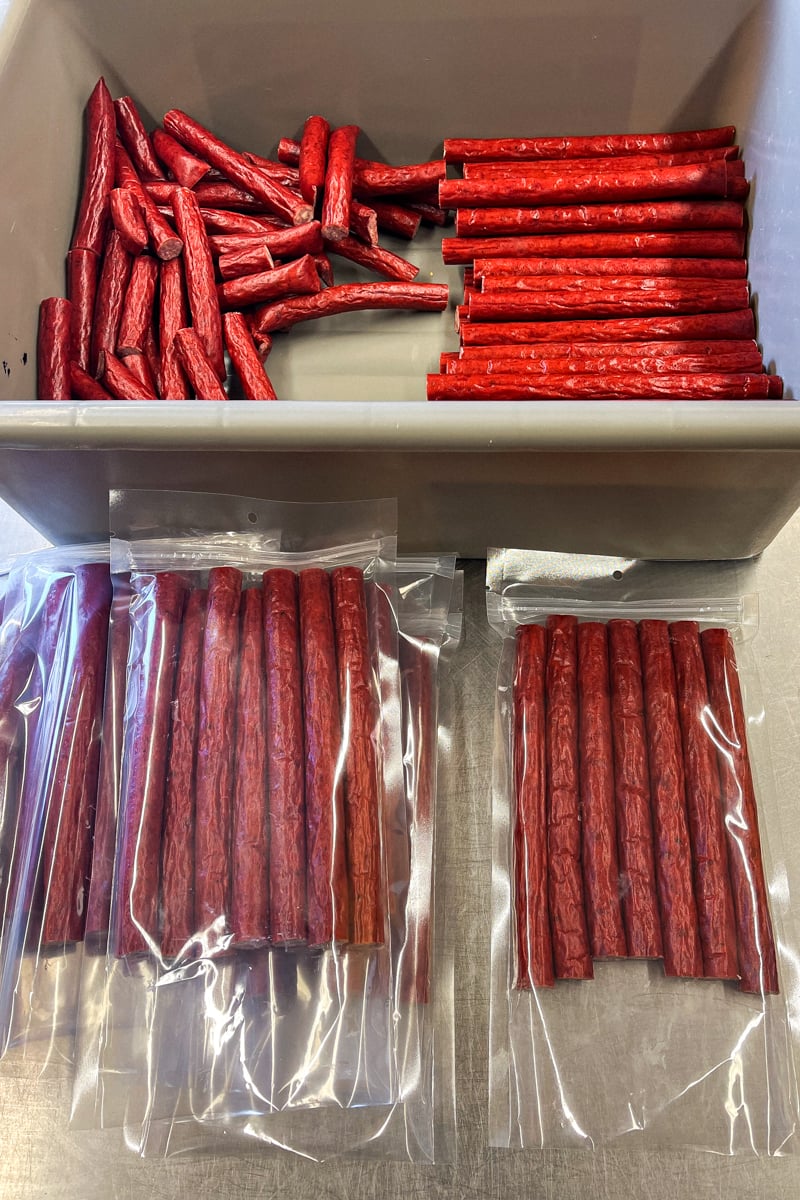
- Hang them to dry, then package and transfer to the fridge for storage.
How to Store Snack Sticks
- Room Temperature - Do not store these snack sticks at room temperature long-term. You can leave them out for short periods during serving or transport, but return them to the refrigerator afterward. Because this recipe uses smoking rather than full dehydration, room-temperature storage isn’t safe.
- Refrigerator - Store snack sticks tightly wrapped, in zip-top bags, or vacuum sealed in the refrigerator. They’ll keep well for 2–3 weeks, and often longer if vacuum sealed. Always refrigerate after opening.
- Freezer - For long-term storage, vacuum seal and freeze. Snack sticks freeze extremely well and maintain quality for 6–12 months. Thaw in the refrigerator and enjoy cold or gently warmed.
Tip: Vacuum sealing extends shelf life, prevents freezer burn, and keeps the flavor and texture just as good as the day they were smoked.
Frequently Asked Questions
Snack sticks require at least 20% fat for optimal taste and texture. The recommended ratio of venison to pork fat is 50%, but you could go up to 80%.
Yes. Both pellet smokers and electric smokers work very well for making snack sticks. The key is temperature control, not the type of smoker. You need to be able to hold low heat at the start and gradually increase the temperature over time. Pellet smokers provide clean, consistent smoke, while electric smokers excel at maintaining steady low temperatures. Whichever you use, avoid rushing the heat—slow temperature increases and monitoring internal temperature are essential for good texture and moisture.
No. Homemade snack sticks are fully cooked and cured, but they are not shelf stable. Because this recipe uses smoking rather than full dehydration, the sticks require refrigeration or freezing for safe storage. You can leave them out briefly during serving or transport, but you should not store them at room temperature long-term.
That's a Wrap!
These jalapeño cheddar snack sticks are one of those recipes that earns its place in the rotation. They’re reliable, freezer-friendly, and made with ingredients you can feel good about feeding your family. Once you’ve made them once, you’ll understand why we keep coming back to this method.
For more easy sausage and jerky recipes, be sure to check out:
- Smoked Venison Summer Sausage
- Jalapeño Cheddar Venison Summer Sausage
- Beef Jerky
- Homemade Venison Jerky
Related Recipes

Recipe

Jalapeño Cheddar Snack Sticks
Equipment
- smoker
- meat mixer
- sausage stuffer & 12mm stuffing tube
- 1 19 milimeter collagen casings
- digital probe thermometer
Ingredients
- 20 pounds ground pork 80/20
- 153 grams salt
- 65 grams black pepper
- 25 grams onion powder
- 25 grams garlic powder
- 117 grams sugar
- 27 grams cure #1
- 24 grams ascorbic acid
- 6 ounces sure gel meat binder
- 2000 grams water
- 2 pounds jalapeño peppers fresh, finely chopped
- 2.5 pounds cheddar cheese high temperature
- 2.5 ounce encapsulated citric acid
Instructions
Make the Seasoning Blend
- In a bag or bowl, mix together the dry ingredients: salt, black pepper, onion powder, garlic powder, sugar, cure #1, ascorbic acid, and sure gel meat binder.153 grams salt, 65 grams black pepper, 25 grams onion powder, 25 grams garlic powder, 117 grams sugar, 27 grams cure #1, 24 grams ascorbic acid, 6 ounces sure gel meat binder
Combine the Meat and Seasonings
- Add the ground meat to a mixer and begin mixing. Sprinkle in the seasoning blend and slowly add ½ of the water.20 pounds ground pork, 2000 grams water
- Mix thoroughly for 5 minutes. Add the remaining water.
- Add the jalapeños and cheddar crumbles. Mix thoroughly for 5 minutes, until the meat becomes sticky and begins pulling away from the sides of the bowl.2 pounds jalapeño peppers, 2.5 pounds cheddar cheese
- Add the encapsulated citric acid and mix 1–2 minutes more, just until evenly distributed. Do not over mix at this stage.2.5 ounce encapsulated citric acid
Stuff the Sausage
- Load the sausage stuffer, packing each handful firmly, to push out any air in the meat. Using a 12mm stuffing tube, slide a 19mm collagen casing to the end. Stuff the casings slowly and evenly, keeping steady pressure to avoid air pockets.
- Secure the ends with knots, hog rings or butcher twine.
Extended Fermentation (optional)
- The encapsulated citric acid in this recipe allows us to immediately smoke the snack sticks, or you can choose to let the snack sticks rest for 12-36 hours. Your call, both are safe methods. We generally smoke ours immediately, or let it hang in our butcher room at room temperature for fermentation. If you don't use encapsulated citric acid, you must refrigerate the stuffed sticks for a 12-36 hours before smoking them. This allows the cure to do its job.
Smoke the Sausage
- Cold smoke the snack sticks for two hours. We like to add two pellet tubes filled with fruit wood (like cherry or apple) or hardwood (like hickory, pecan or maple) to the bottom of the smoker. This is the our preferred method of smoke delivery for our smoker set up. The tubes smoke for the entire duration and provide the depth of smoky flavor we like.
- Turn on the heat to 130°F, then allow the temperature to gradually increase until it reaches 175-190°F. The snack sticks are done when the internal temp reaches 154-156°F. This process can take several hours depending on your smoker and conditions—focus on internal temperature, not the clock.
- Chill in an ice bath for 10 minutes, this stops the cooking process and locks-in the moisture, keeping them from drying out and shriveling.
- Hang them at room temperature to dry for 1-3 hours, (also called "blooming") then package and transfer to the fridge for storage.
Notes
- Cold meat grinds and mixes better. Freeze your meat until it's firm but not frozen solid for the best texture.
- If you aren't starting out with ground meat, it's no problem. Grind your own by starting with a coarse grind for hearty texture, then regrind with a finer plate for a smoother finish. A 3/16" plate is our go-to for this recipe.
- Don’t rush the mixing! The stringy texture (called myosin development) is what binds the meat and helps the snack sticks hold together beautifully when cooked.
- Always have a few extra casings on hand in case of tears.
- Use a meat thermometer to ensure the sausage reaches an internal temperature of 156°F. Undercooked sausage isn’t safe, and overcooked sausage will lose its juiciness.
Nutrition


Great recipe! Both batches I’ve done have turned out with great flavor. One thing I could use some help with is the firmness of the stick, would be nice if they were a little firmer. Should I dry longer or is there an ingredient that helps with this that maybe I’m shorting?