
How to Propagate Houseplants in Water (Step-by-Step Guide for Beginners)
Want more houseplants without spending more money?
Water propagation is one of the easiest ways to turn one plant into many. All you need is a healthy cutting, a jar of water, and a little patience. Before long, you'll have roots growing and a brand-new plant ready for its own pot.
One of my favorite houseplants started as a single hanging basket of Swedish ivy that I bought back in 2018. Before long, the vines were trailing down my kitchen cabinets and getting a little out of control. Rather than throw the trimmings away, I stuck a few cuttings in a jar of water. A few weeks later they had roots and were ready to plant. Since then, I've repeated the process countless times and turned one plant into several.
If you've ever wanted to make more houseplants without spending more money, water propagation is one of the easiest ways to do it. It's beginner-friendly, inexpensive, and incredibly satisfying because you get to watch the roots grow right before your eyes.
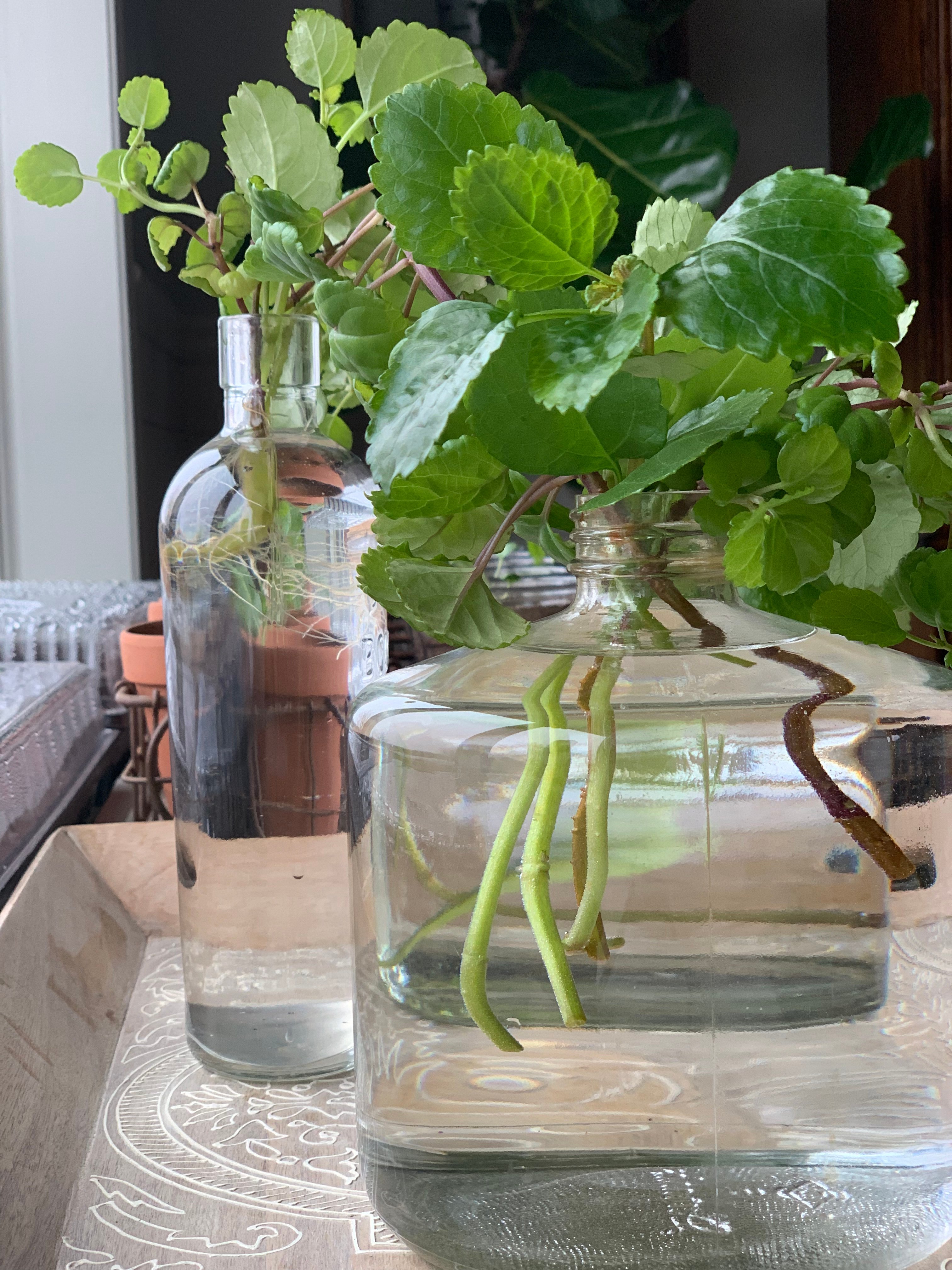
What Is Water Propagation?
Water propagation is the process of growing roots from a plant cutting while it sits in water rather than soil.
Many popular houseplants naturally produce roots from nodes along their stems. When those nodes are submerged in water, they begin producing roots that eventually develop into a completely new plant.
Unlike soil propagation, you can easily monitor root growth and know exactly when your cutting is ready to be transplanted.
Why Propagate Houseplants in Water?
There are plenty of reasons to love water propagation.
- It's completely free.
- One plant can become several plants.
- You can watch roots develop.
- It's beginner friendly.
- It helps rescue leggy or overgrown plants.
- Propagated plants make wonderful gifts.
If you've never propagated a houseplant before, water propagation is one of the easiest methods to learn.
Supplies You'll Need
The good news is that you probably already have everything you need.
- Healthy parent plant
- Sharp scissors or pruning snips
- Clear glass jar or vase
- Fresh water
- Bright indirect sunlight
I prefer using clear jars because they're easy to monitor and make it simple to see root development.
How to Propagate Houseplants in Water
Step 1: Find a Node
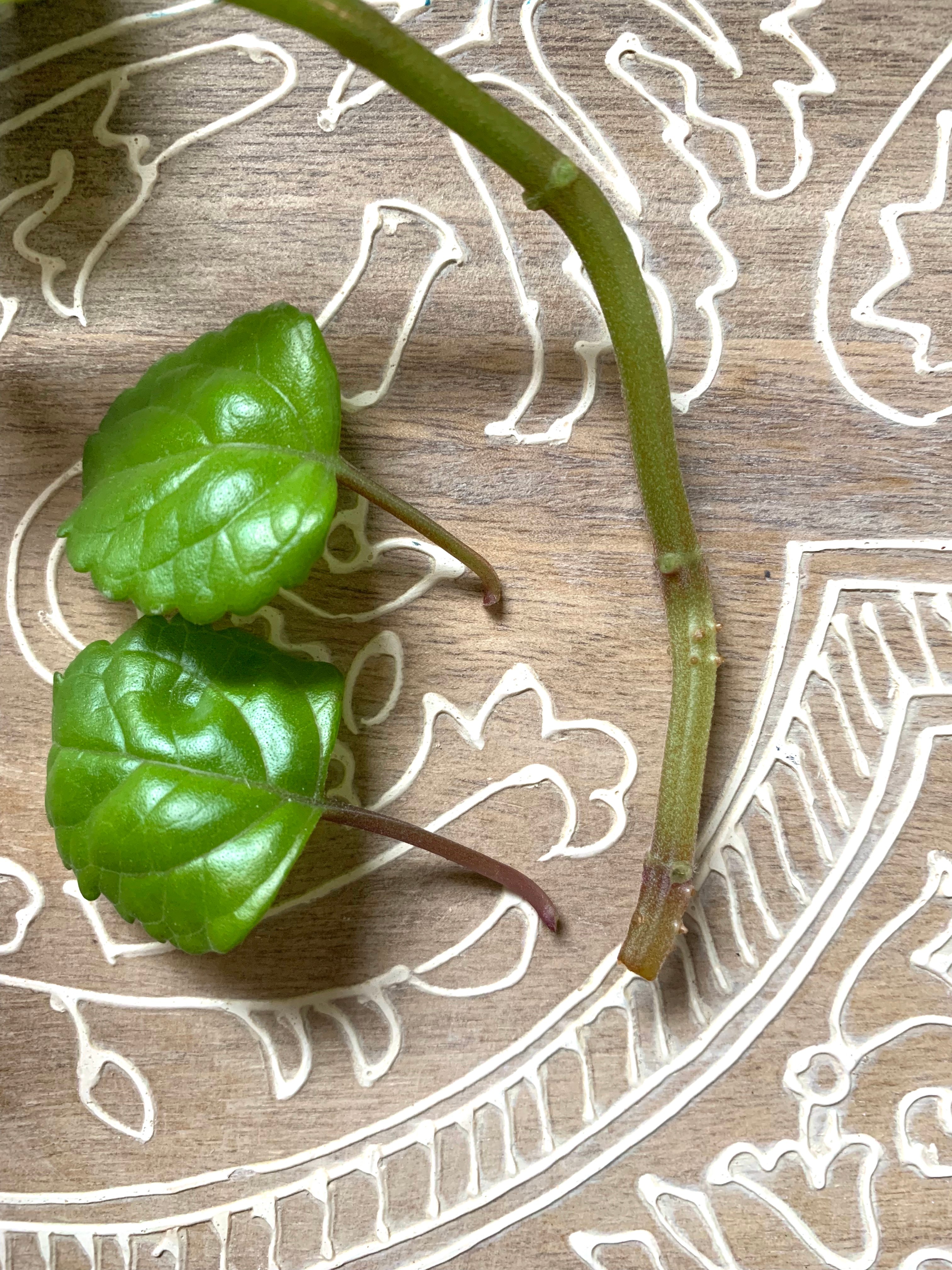
The most important step is locating a node.
A node is the small bump or joint on a plant stem where leaves emerge. This is where new roots will form.
Without a node, most houseplant cuttings will never develop roots. You can see several nodes in the picture below.
Step 2: Take a Cutting
Using clean scissors or pruning snips, cut just below the node.
Most cuttings should be approximately 4 to 6 inches long and contain several healthy leaves.
Avoid yellowing, damaged, or unhealthy stems.
Step 3: Remove Lower Leaves
Remove any leaves that would sit below the water line.
Leaves submerged in water tend to rot and can make the water cloudy.
Step 4: Place the Cutting in Water
Fill a clean jar with fresh water and place the cutting inside.
Make sure at least one node is submerged beneath the water.
The leaves should remain above the water level.
Step 5: Provide Bright Indirect Light
Place the jar in bright indirect sunlight.
Avoid intense afternoon sun, which can overheat the water and stress the cutting.
A bright windowsill works perfectly.
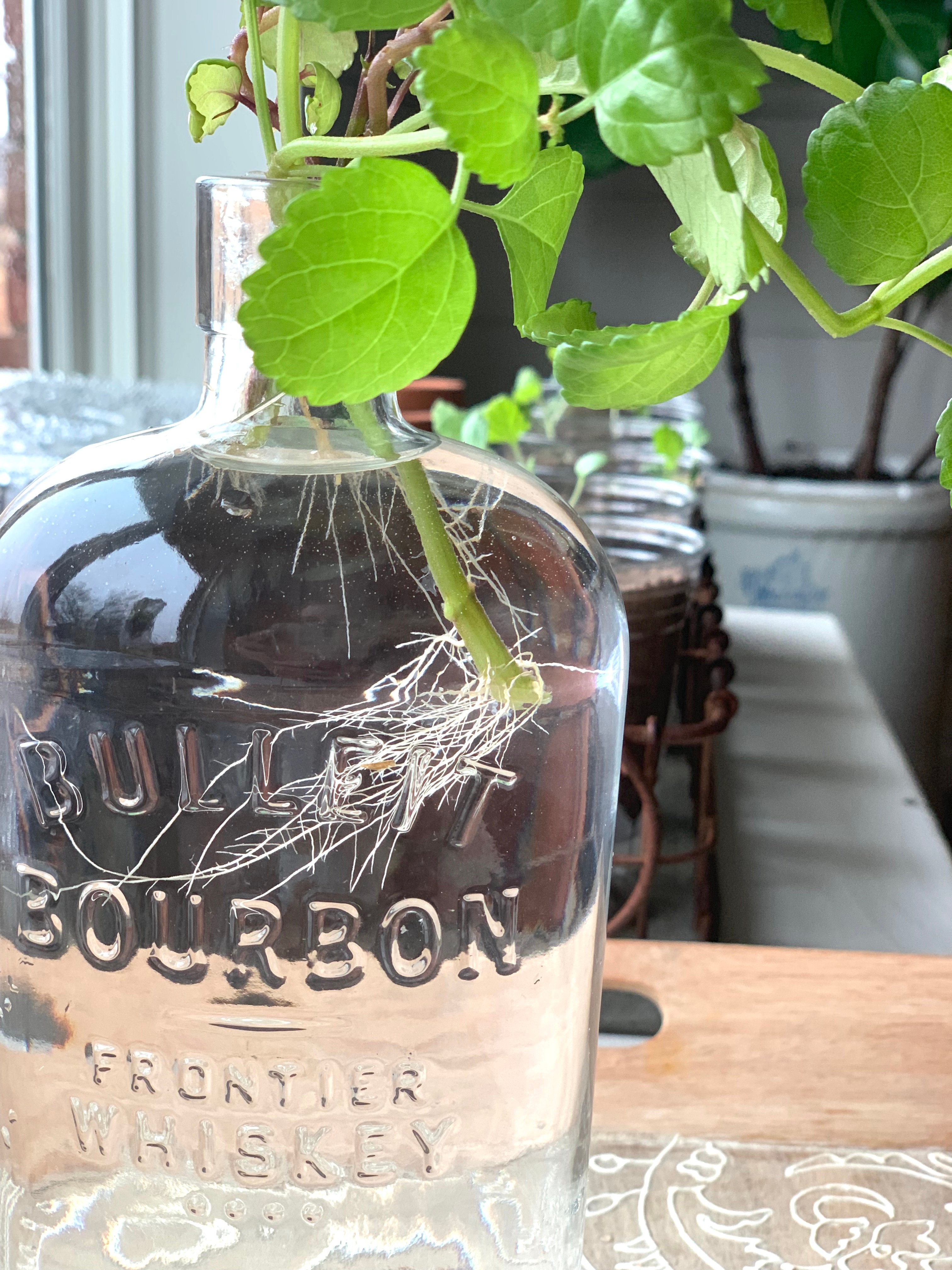
Step 6: Wait for Roots to Grow
Now it's time to be patient.
Some plants develop roots within a week or two, while others may take several weeks.
Once roots appear, continue allowing them to develop until they are strong enough for transplanting.
Where Do You Cut a Plant for Water Propagation?
One of the most common beginner questions is where exactly to make the cut.
Always cut just below a node.
This ensures the node remains attached to the cutting, allowing it to produce new roots.
If you're propagating a vining plant such as pothos or philodendron, you'll usually see nodes spaced every few inches along the stem.
When in doubt, look for the spot where a leaf joins the stem and cut just beneath it.
What Plants Can Be Propagated in Water?
Many popular houseplants root readily in water.
Pothos
Pothos is often considered the easiest plant for beginners to propagate. Roots typically appear quickly and transplant easily into soil.
Heartleaf Philodendron
Philodendrons root readily in water and grow quickly once transplanted.
Tradescantia (Wandering Dude)
Tradescantia is one of the fastest plants to root and multiply.
Monstera
Monstera cuttings can be rooted in water as long as a healthy node is included.
Spider Plant
Spider plant babies root easily and make great starter plants.
Syngonium
Arrowhead vine roots reliably in water and adapts well after transplanting.
Swedish Ivy
Swedish ivy is another excellent choice for beginners. In fact, many of the Swedish ivy plants around my house today started as simple stem cuttings rooted in water!
Chinese Evergreen
Chinese evergreen cuttings can also be rooted in water, although they tend to take a little longer.
Can Any Plant Be Propagated in Water?
No.
Many tropical houseplants root exceptionally well in water, but not every plant responds the same way.
Woody shrubs, succulents, cacti, and many vegetables are usually propagated using different methods.
For beginners, vining tropical houseplants are generally the easiest and most reliable choices.
How Often Should You Change the Water?
Fresh water helps prevent bacteria buildup and keeps cuttings healthy.
I typically replace the water whenever it starts looking cloudy.
In most cases, changing the water every few days to once per week works well.
Always refill with fresh, room-temperature water.
How Long Does Water Propagation Take?
The answer depends on the plant.
Here are some general timelines:
| Plant | Typical Rooting Time |
|---|---|
| Pothos | 1–3 weeks |
| Tradescantia | 1–2 weeks |
| Philodendron | 2–4 weeks |
| Spider Plant | 2–4 weeks |
| Monstera | 2–6 weeks |
Temperature, light levels, and overall plant health can all affect rooting speed.
When Should You Move Water-Propagated Plants to Soil?
I generally wait until roots reach 2 to 3 inches long before transplanting.
At this point the cutting has developed enough roots to adapt successfully to life in potting soil.
After planting, keep the soil evenly moist for the first couple of weeks while the plant adjusts.
Common Water Propagation Mistakes
Forgetting the Node
Without a node, most cuttings won't root.
Submerging Leaves
Leaves underwater often rot and can create water quality issues.
Too Much Direct Sun
Bright indirect light is best.
Not Changing the Water
Cloudy water can slow rooting and encourage bacterial growth.
Transplanting Too Early
Tiny roots are fragile and may struggle after transplanting.
Waiting a little longer usually leads to better success.
Frequently Asked Questions
Some houseplants can survive in water for extended periods, but most perform best when eventually moved into soil.
The most common causes are poor lighting, unhealthy plant material, or a cutting that lacks a node.
No. Most common houseplants root readily in plain water.
Yes! I use ordinary tap water for most of my plant cuttings. While some gardeners prefer filtered water or rainwater, most common houseplants root perfectly well in a simple jar of tap water.
No. Clear jars simply make it easier to monitor root development.
Rotting is usually caused by submerged leaves, dirty water, poor air circulation, or unhealthy plant material. Remove any leaves below the water line and replace cloudy water regularly.
Final Thoughts
Water propagation is one of the easiest and most rewarding ways to grow new houseplants.
With nothing more than a healthy cutting, a jar of water, and a little patience, you can turn one plant into many.
If you're new to propagation, start with a pothos or philodendron. They're forgiving, fast-growing, and almost always reward beginners with success.
What's New on the Homestead




Comments
No Comments