Cast Iron
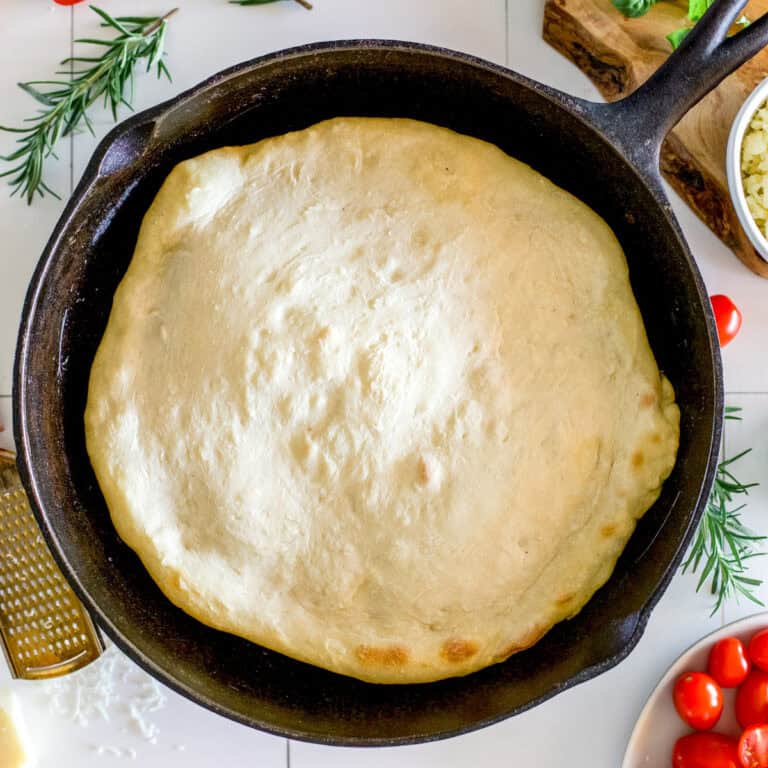
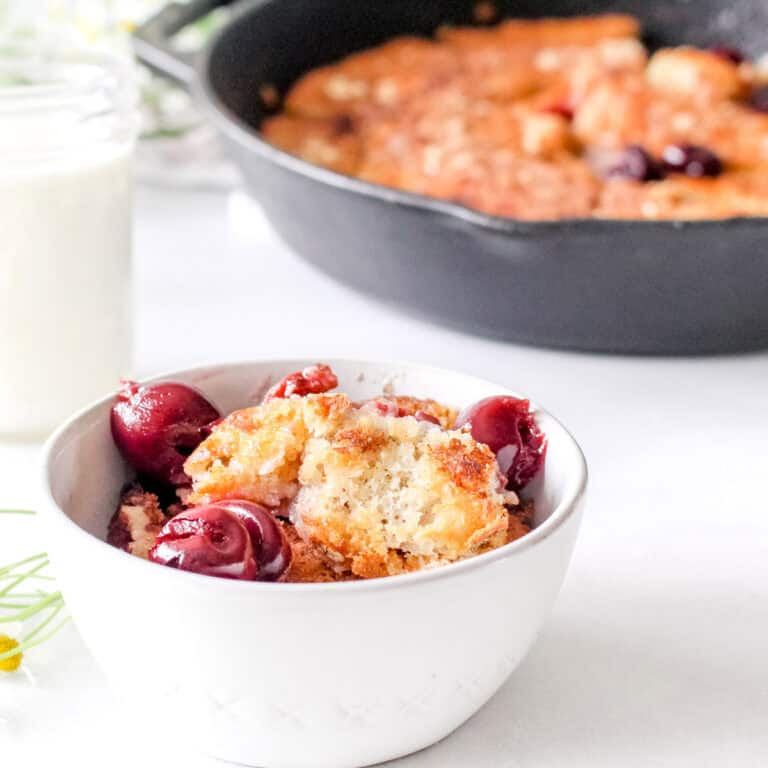
A cast-iron skillet is the workhorse of a homestead kitchen. Whether you're searing, frying, baking, or even slow-cooking, a cast iron skillet can handle it all. Its versatility makes it a go-to tool for a wide range of recipes, from savory mains to mouthwatering desserts.
Lesson #1: Cleaning
Avoid using harsh soaps or metal scrubbers, as they can strip away the seasoning. Instead, use a soft sponge or brush with warm water to clean the skillet after each use. For stubborn food residues, you can gently simmer water in the skillet to loosen them.
Lesson #2: Seasoning
Many of the newer cast iron skillets come pre-seasoned, and if so you can skip this step. But if yours isn't, here's what you need to know. Before using a new cast iron skillet or restoring an older one, seasoning is crucial. Coat the skillet with a thin layer of cooking oil and bake it in the oven. This process creates the non-stick surface and prevents rusting.
Lesson #3: Drying
Thoroughly dry the skillet after washing to prevent rust. You can place it on the stove over low heat for a few minutes to ensure it's completely dry. Once it's dry, I like to use a paper towel to lightly rub a thin layer of oil all over the surface. This will help to maintain a non-stick surface. Lightly coat the skillet with a thin layer of oil after each use.